
Managing pests in a Billings apartment complex isn’t like dealing with a single-family home. When one unit has a problem, neighboring units often follow. Add in Montana’s seasonal pest pressures, from ants marching indoors during summer to rodents seeking warmth in winter, and you’ve got a recipe for ongoing headaches without the right plan in place.
We’ve seen firsthand how quickly a minor pest sighting can escalate into a building-wide issue. That’s why we put together this guide on pest control plans for Billings apartments and multifamily properties. Whether you manage a small fourplex or a large apartment community, understanding the unique challenges and solutions for multifamily pest management will help protect your investment and keep tenants happy.
Why Multifamily Properties in Billings Face Unique Pest Challenges
Multifamily buildings create conditions that single-family homes simply don’t. Shared walls, interconnected plumbing, and common areas mean pests can travel easily between units. A cockroach problem in apartment 3B can become a building-wide infestation within weeks.
Billings’ climate adds another layer of complexity. Our cold winters drive pests indoors aggressively, while hot summers bring increased ant and wasp activity. The Yellowstone River corridor and surrounding agricultural areas also contribute to elevated pest populations in the region.
There’s also the human factor. With multiple tenants comes varying levels of cleanliness, different food storage habits, and inconsistent reporting of pest sightings. One tenant might mention seeing a mouse casually in passing, while another might not report bed bugs until they’ve spread to adjacent units.
Property managers face additional challenges around access and scheduling. Treating one unit while ignoring connected spaces often proves ineffective. And coordinating inspections across dozens of occupied apartments? That’s a logistical puzzle many underestimate.
Common Pests Threatening Billings Apartment Communities
Knowing your enemy is half the battle. Here are the pests we encounter most frequently in Billings multifamily properties:
Ants rank among the most persistent problems. Ant colonies can house anywhere from 300,000 to 500,000 individuals, and they’re experts at finding the smallest cracks around doors, windows, and vents. Once they locate a food source, they leave chemical trails for others to follow, which is why you’ll suddenly see hundreds after spotting just a few.
Cockroaches thrive in apartment buildings because of the abundant hiding spots and moisture sources. They enter through tiny cracks, reproduce rapidly, and often spread between units through shared plumbing.
Bed bugs present perhaps the most dreaded scenario for property managers. These hitchhikers arrive on furniture, luggage, and clothing. They’re rarely seen since they feed at night, and by the time tenants notice bites, infestations may have already spread.
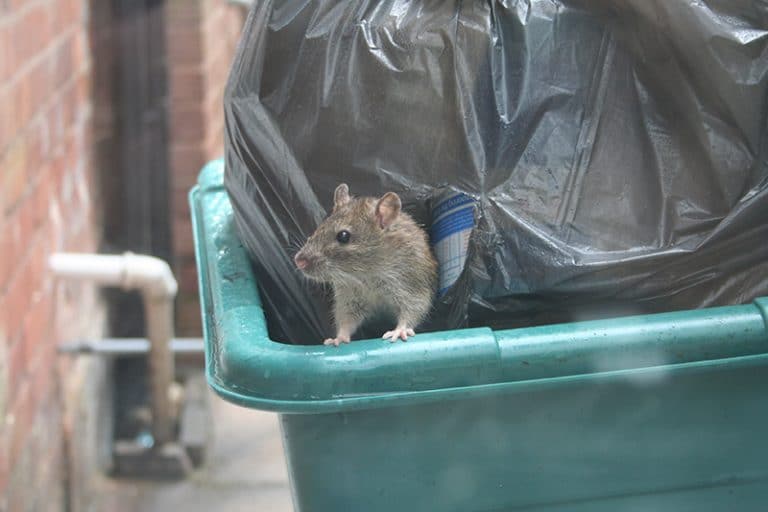
Rodents seek shelter in buildings during Montana’s harsh winters. They can transmit diseases, gnaw through wiring, and contaminate food storage areas. Their ability to squeeze through surprisingly small openings makes them difficult to exclude.
Spiders, including wolf spiders and occasionally black widows, commonly inhabit attics, crawl spaces, and storage areas. While most are harmless, their presence unsettles tenants.
Wasps build nests around eaves, balconies, and entry points, posing genuine dangers to tenants with allergies.
What an Effective Apartment Pest Control Plan Should Include
A solid pest control plan for multifamily properties goes far beyond occasional spray treatments. Here’s what we recommend:
Regular inspections form the foundation. Quarterly inspections at minimum, monthly for larger properties, help catch problems before they escalate. Inspectors should check common areas, vacant units, basements, crawl spaces, and exterior perimeters.
Proactive treatments rather than reactive ones save money long-term. Ongoing treatment plans help repel bugs and prevent infestations rather than just responding to emergencies.
Clear protocols for responding to tenant complaints ensure swift action. Every report should trigger an inspection within 24-48 hours.
Entry point management is critical. Sealing cracks around pipes, installing door sweeps, and addressing gaps around utility penetrations reduces pest access significantly.
Documentation protects everyone. Records of inspections, treatments, and tenant communications prove invaluable if disputes arise.
Eco-friendly options matter increasingly to tenants. Chemical-free pest deterrents, non-toxic baits and traps, and organic elimination methods, like heat treatments or Cryonite for bed bugs, provide effective solutions safe for families with children and pets.
Integrated Pest Management Strategies for Multifamily Buildings
Integrated Pest Management (IPM) represents the gold standard for multifamily pest control. Rather than relying solely on pesticides, IPM combines multiple strategies:
Identification first. Knowing the exact pest species matters more than many realize. Different ant species, for example, require different treatment approaches. What works for odorous house ants may prove useless against carpenter ants.
Environmental modifications address root causes. This means fixing leaky pipes that attract pests, improving sanitation in trash areas, maintaining landscaping away from building foundations, and reducing clutter in storage spaces.
Physical exclusion creates barriers. Weather stripping, mesh screens over vents, sealed utility penetrations, and properly fitted doors prevent entry.
Monitoring systems provide early warning. Sticky traps in strategic locations, bait stations, and regular visual inspections help detect activity before populations explode.
Targeted treatments when necessary. IPM doesn’t mean never using pesticides, it means using them strategically and minimally. When treatment is needed, targeted applications in specific areas prove more effective than broad spraying.
The beauty of IPM for apartment complexes lies in its sustainability. Rather than a constant cycle of infestation and treatment, you’re building long-term resistance to pest problems.
How to Choose a Pest Control Provider for Your Billings Property
Not every pest control company understands multifamily properties. Here’s what to look for:
Local experience matters. A company familiar with Billings and Montana’s specific pest pressures will anticipate seasonal challenges. At Best Pest Control, we’ve served this area since 1998, and we’ve seen the patterns that affect local properties year after year.
Licensing and insurance are non-negotiable. Verify current credentials before signing any contract.
Multifamily expertise should be demonstrated. Ask specifically about their experience with apartment buildings. Managing pest control across multiple occupied units requires different skills than treating single homes.
Green options increasingly matter. Whether you have tenants with chemical sensitivities or simply want more eco-friendly solutions, providers should offer alternatives to standard pesticides. We’ve built our approach around chemical-free deterrents and organic methods that protect residents while effectively eliminating pests.
Service guarantees show confidence. Companies willing to stand behind their work typically deliver better results.
Communication practices affect tenant satisfaction. How will they coordinate with property management? How do they handle tenant interactions during treatments?
Tenant Communication and Cooperation in Pest Prevention
Even the best pest control plan fails without tenant cooperation. Building a culture of proactive communication takes effort but pays dividends.
Educate tenants during move-in. Include pest prevention guidelines in welcome packets. Explain how to store food properly, the importance of reporting sightings promptly, and what the property’s pest control schedule looks like.
Make reporting easy. Online portals, maintenance hotlines, or simple text messaging systems encourage faster reporting. The sooner you know about a problem, the easier it is to contain.
Explain the “why.” Tenants cooperate better when they understand that one person’s cleanliness affects everyone. Frame prevention as a community effort rather than pointing fingers.
Schedule treatments conveniently. Giving adequate notice and offering flexible scheduling windows increases compliance with required access for inspections and treatments.
Follow up after treatments. Check in with tenants who reported problems. This shows you take their concerns seriously and helps verify treatment effectiveness.
Remember, tenants are your eyes and ears across the property. Building trust encourages them to report issues early rather than hoping problems resolve themselves.
Conclusion
Pest control for Billings apartments and multifamily properties demands a proactive, coordinated approach. From understanding the unique challenges of shared buildings to implementing comprehensive IPM strategies and fostering tenant cooperation, every element works together.
If you’re managing a Billings apartment community and need help developing or improving your pest control plan, we’re here to help. Contact Best Pest Control today, our family-owned team has the local expertise and eco-friendly solutions to protect your property and give you peace of mind.