
As the snow melts and temperatures climb in Billings, we’re not the only ones eager to enjoy the warmer weather. Spring marks the beginning of pest season, and Montana homeowners know all too well what that means, ants marching through kitchens, spiders setting up shop in corners, and rodents looking for easy entry points.
The good news? A little prevention now can save you a lot of headaches (and pest control bills) later. We’ve put together this spring pest control checklist specifically for Billings homeowners, covering everything from sealing entry points to knowing when it’s time to call in the professionals.
Why Spring Is Prime Time for Pest Activity in Billings
Here in Billings, our winters are cold enough to send most pests into hiding, but they don’t disappear. They’re just waiting. Once spring arrives and temperatures consistently hit the 50s and 60s, insects and rodents become active again. They’re hungry, they’re looking to reproduce, and your home looks like a five-star hotel.
Spring rain also plays a role. Increased moisture creates ideal breeding conditions for many pests, while also driving others indoors to escape soggy ground. Add in the fact that many insects are emerging from overwintering sites right around your foundation, and you’ve got a perfect storm for infestations.
This is exactly why we recommend getting ahead of pest problems in early spring. Waiting until you actually see ants in your pantry or wasps building nests under your eaves means you’re already playing catch-up.
Inspect and Seal Entry Points Around Your Home
Pests don’t need much of an invitation. Ants can squeeze through cracks smaller than a millimeter, and mice can fit through openings the size of a dime. Your first line of defense is a thorough inspection of your home’s exterior.
Start with the foundation. Walk the perimeter and look for cracks, gaps around pipes, and spaces where utility lines enter the house. Check window frames, door sweeps, and garage door seals, these are common weak spots. Don’t forget vents, dryer exhausts, and crawl space access points.
Once you’ve identified problem areas, seal them up. Caulk works for small cracks, while steel wool combined with expanding foam is effective for larger gaps (especially where rodents might chew through softer materials). Weatherstripping around doors and windows does double duty by keeping pests out and energy bills down.
This inspection doesn’t need to take all day, but it does need to be thorough. A few hours now prevents unwanted guests later.
Address Moisture Problems That Attract Pests
If there’s one thing that attracts pests almost universally, it’s moisture. Cockroaches, silverfish, ants, and many other insects need water to survive, and they’re drawn to damp areas like magnets.
Check your home for any signs of moisture issues. Leaky faucets, dripping pipes under sinks, and condensation around windows all create inviting conditions for pests. Your basement and crawl space deserve special attention, standing water or high humidity levels in these areas can attract everything from termites to rodents.
Outside, make sure your gutters are clear and directing water away from your foundation. Downspout extensions should deposit water at least four feet from the house. Look for areas where water pools after rain and address drainage issues before they become pest problems.
Poor ventilation in bathrooms and kitchens can also contribute to moisture buildup. Running exhaust fans and fixing any leaks promptly makes your home far less appealing to moisture-loving pests.
Clean Up Your Yard and Remove Pest Habitats
Your yard can either be a pest highway leading straight to your front door or a buffer zone that discourages infestations. Spring cleanup makes all the difference.
Start by clearing dead leaves, fallen branches, and any organic debris that accumulated over winter. These materials provide shelter and food sources for insects, and they hold moisture that attracts even more pests. Pay special attention to areas right against your foundation, ideally, you want a clean, dry zone around the base of your home.
Trim back bushes and tree branches that touch your house. These act as bridges for ants, spiders, and even rodents trying to access your roof or siding. Keep vegetation at least 12 inches away from exterior walls.
If you have mulch in your landscaping beds, keep it thin (no more than 2-3 inches) and maintain a gap between the mulch and your foundation. Thick mulch piled against your home creates a perfect environment for termites and other wood-destroying insects.
Store Firewood and Debris Away From Your Foundation
We see this mistake constantly, homeowners stacking firewood right against the house for convenience. Unfortunately, firewood is a pest paradise. Termites, carpenter ants, spiders, and rodents all love woodpiles.
Store firewood at least 20 feet from your home and keep it elevated off the ground on a rack. When you bring wood inside, only grab what you’ll burn immediately. Inspect each piece before carrying it through the door.
The same principle applies to other debris. Old lumber, cardboard boxes, unused outdoor furniture, and similar items shouldn’t be stored against your home. They provide hiding spots and nesting sites for everything from mice to black widows.
Common Spring Pests in Billings and How to Spot Them
Knowing what you’re dealing with helps you respond appropriately. Here are the pests we encounter most often in Billings during spring:
Ants are typically the first spring invaders. You might notice a few scouts in your kitchen before the main colony follows. Ant colonies can contain 300,000 to 500,000 individuals, which is why DIY sprays rarely solve the problem, they only kill the ants you can see.
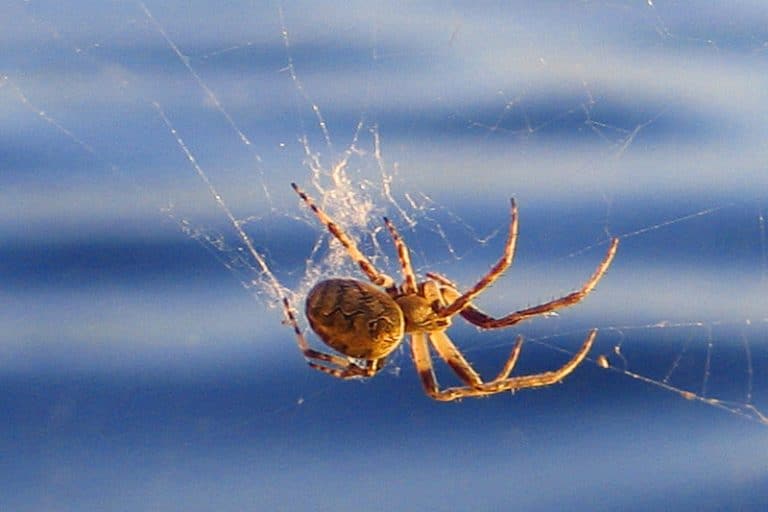
Spiders become more active as their food sources (other insects) emerge. While most are harmless, we do have black widows in Montana, and wolf spiders can give homeowners quite a scare.
Wasps start building nests in spring. Check under eaves, in attics, and around outdoor structures. Early nests are small and easier to address than established colonies.
Rodents that sheltered through winter may still be in your home or looking for new entry points. Watch for droppings, gnaw marks, and scratching sounds in walls.
Voles become active in yards, causing dead patches and holes in lawns, killing plants, and even damaging trees. If you notice tunneling damage in your landscaping, voles are likely the culprits.
Termites swarm in spring. Seeing winged termites or finding mud tubes along your foundation are serious warning signs that require immediate professional attention.
When to Call a Professional Pest Control Service
Some pest problems you can handle yourself. A few ants near the back door? Clean up food sources and seal the entry point. A single wasp nest the size of a golf ball? You can probably take care of it.
But certain situations call for professional help. Large or established infestations won’t respond to DIY treatments. If you’re seeing pests repeatedly even though your efforts, there’s likely a nest or colony you haven’t found. Termite damage, rodent infestations, and bed bugs almost always require professional intervention, these pests are simply too persistent and destructive for store-bought solutions.
At Best Pest Control, we’ve been serving Billings and all of Montana since 1998. We start with a thorough inspection to identify what you’re dealing with and where pests are entering. From there, we develop a complete pest control plan tailored to your situation.
We also offer chemical-free and organic options for homeowners who prefer eco-friendly solutions, including non-toxic baits, traps, and heat treatments for bed bugs. Whether it’s ants, spiders, rodents, wasps, or wildlife like bats and raccoons, we’ll eradicate the problem and help you set up ongoing protection so pests don’t return.
If you’re seeing signs of pest activity this spring, don’t wait until the problem gets worse. Contact Best Pest Control today for an inspection.
Conclusion
Spring pest control doesn’t have to be complicated. Inspect and seal entry points, eliminate moisture problems, clean up your yard, and know the warning signs of common Billings pests. These simple steps go a long way toward keeping your home pest-free.
But when prevention isn’t enough, we’re here to help. If it creeps or crawls, contact Best Pest Control, we’ll protect your home, family, and peace of mind.