
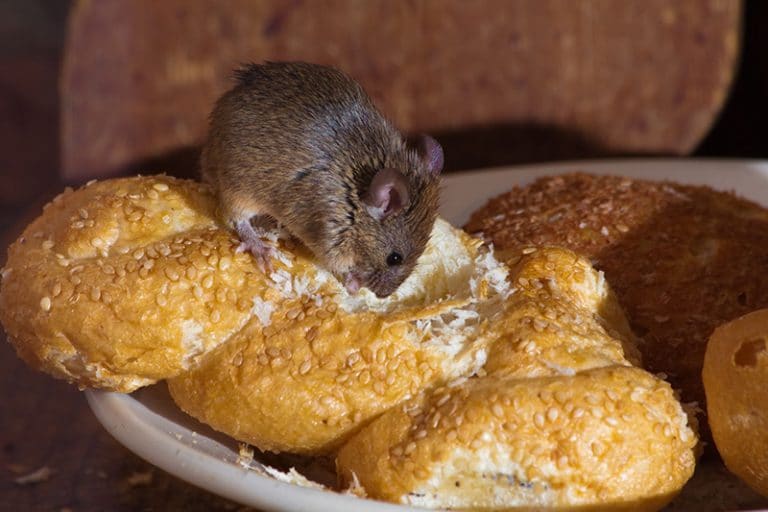
As temperatures drop across Billings, Montana, rodents are already scouting for their winter accommodations, and your home looks pretty appealing. Every fall, we see a surge in calls from homeowners who’ve discovered unwanted guests settling in for the season. The good news? With the right fall rodent prevention strategies, you can keep mice and rats outside where they belong.
At Best Pest Control, we’ve been helping Montana families protect their homes from rodents for over two decades. We know exactly what draws these pests indoors and, more importantly, how to stop them. Let’s walk through everything you need to know to rodent-proof your property before Billings winters set in.
Why Rodents Invade Billings Homes Every Fall
Rodents aren’t invading your home because they enjoy your company. They’re survival machines, and as fall arrives in Billings, their instincts kick into high gear. Dropping temperatures, dwindling food sources, and shorter days all signal one thing: find shelter or perish.
Mice and rats are incredibly resourceful. A house mouse can squeeze through an opening the size of a dime, while rats need only a quarter-sized gap. Your home offers everything they’re looking for, warmth, protection from predators, and consistent food and water sources.
Billings’ climate makes fall prevention especially critical. Our cold winters mean rodents are highly motivated to get inside, and once they establish themselves, they breed rapidly. A single pair of mice can produce up to 200 offspring in just four months. That’s why we always tell our customers: the time to act is now, before the first hard freeze sends rodents scrambling for entry points.
They may look cute, but rodents cause significant property damage and transmit diseases to humans. From chewing through electrical wiring to contaminating food supplies, the problems they create far outweigh any initial inconvenience of prevention efforts.
Common Signs of Rodent Activity Around Your Property
Catching a rodent problem early makes elimination far easier. Here’s what we recommend watching for around your Billings home:
Droppings are the most obvious indicator. Mouse droppings are small and pellet-shaped, about the size of a grain of rice. Rat droppings are larger, roughly half an inch. Check behind appliances, inside cabinets, and along baseboards.
Gnaw marks appear on food packaging, wood trim, plastic containers, and even electrical wiring. Fresh gnaw marks are lighter in color: older ones darken over time.
Scratching sounds often come from walls, ceilings, or under floors, especially at night when rodents are most active. Many homeowners first notice a problem when they hear scurrying in the attic.
Nesting materials like shredded paper, fabric scraps, or dried plant matter tucked into hidden corners signal active nesting. Rodents prefer quiet, undisturbed areas close to food sources.
Grease marks along walls and baseboards indicate established travel routes. Rodents follow the same paths repeatedly, leaving oily residue from their fur.
If you’re spotting multiple signs, you likely have more than one or two rodents. Don’t wait, addressing the issue quickly prevents a small problem from becoming a full-blown infestation.
Sealing Entry Points to Block Rodent Access
Exclusion is the foundation of effective fall rodent prevention. If rodents can’t get in, they’ll move on to easier targets.
Start with a thorough inspection of your home’s exterior. Pay close attention to:
- Foundation gaps where pipes and utility lines enter
- Gaps around doors and windows, including worn weatherstripping
- Vents and chimneys without proper screening
- Roof lines where soffits meet walls
- Garage door seals that don’t sit flush with the ground
For small gaps, steel wool combined with caulk works well, rodents can’t chew through the steel wool. Larger openings require hardware cloth or metal flashing. Avoid using plastic or rubber alone, as rodents will gnaw right through.
Don’t forget interior entry points. Check around pipes under sinks, gaps behind appliances, and openings where cables enter walls. Even the space around your dryer vent can provide access if not properly sealed.
We’ve seen homes where homeowners thought they’d sealed everything, only to discover rodents entering through a gap they’d overlooked. A professional inspection can identify vulnerabilities you might miss. At Best Pest Control, closing entry points is a key part of our approach to protecting your property.
Eliminating Food Sources and Nesting Materials
Even the most rodent-proof home becomes attractive if you’re rolling out a buffet. Eliminating food sources and nesting materials is just as important as sealing entry points.
In the kitchen:
- Store dry goods in glass, metal, or heavy plastic containers with tight-fitting lids
- Clean up crumbs and spills immediately
- Don’t leave dirty dishes in the sink overnight
- Take out garbage regularly and use bins with secure lids
Pet food is a major attractant. Feed pets at scheduled times and remove uneaten food. Store kibble in sealed containers rather than leaving bags open in the garage or pantry.
Reduce nesting opportunities by decluttering storage areas. Cardboard boxes, old newspapers, and fabric scraps provide perfect nesting materials. Switch to plastic storage bins and keep items off the floor where possible.
Water sources matter too. Fix leaky pipes, don’t leave standing water in sinks, and address any moisture issues in basements or crawl spaces. Rodents need water daily and will seek out reliable sources.
Think like a rodent: if your home offers food, water, and shelter, it’s prime real estate. Remove the appeal, and you’ve taken away half their motivation to stick around.
Outdoor Prevention Strategies for Your Yard and Garage
Your yard and garage are often the first stop on a rodent’s journey into your home. Smart outdoor management creates a buffer zone that discourages them from getting close.
Landscaping adjustments:
- Keep shrubs and tree branches trimmed at least three feet from your house
- Remove leaf litter and debris piles where rodents hide
- Store firewood at least 20 feet from your home and elevate it off the ground
- Clear dense ground cover near the foundation
Garage maintenance:
- Install door sweeps if light shows under the garage door
- Store birdseed, grass seed, and pet food in sealed containers
- Organize and declutter to eliminate hiding spots
- Check for gaps around windows and where the garage meets the house
Outdoor storage:
- Secure trash bins with tight lids
- Clean up fallen fruit and vegetables from gardens
- Don’t leave pet food bowls outside overnight
- Compost bins should be enclosed and managed properly
We often find that rodents establish themselves in garages or outbuildings first, then work their way into the main house as temperatures drop. Addressing these areas now prevents that progression. A well-maintained yard and garage aren’t just about aesthetics, they’re your first line of defense.
When to Call a Professional Pest Control Service
DIY prevention works well for keeping rodents out. But once they’re established? That’s when professional help makes a real difference.
Consider calling a pest control service if:
- You’re seeing rodents during daylight hours, this often indicates a large population
- DIY traps and baits aren’t working after a week or two
- You’re finding droppings in multiple areas throughout your home
- There’s evidence of nesting in walls, attics, or crawl spaces
- You hear consistent scratching or movement in walls or ceilings
Professional pest control offers several advantages. We know where to look, what products work best, and how to address infestations safely, especially important if you have kids or pets.
At Best Pest Control, we start every rodent service with a thorough inspection of your property. We identify the type of rodents you’re dealing with, locate entry points, and develop a complete pest control plan tailored to your situation. We’re a local, family-owned company with decades of experience handling the rodents we commonly see here in Montana.
Our approach includes applying effective treatments, setting up appropriate traps or bait stations, and closing entry points to prevent future problems. We’re fully licensed and insured, and we offer a service guarantee because we stand behind our work.
By seeking out help right away, you can put a stop to both current and future infestations before they cause serious damage.
Conclusion
Fall rodent prevention isn’t complicated, but it does require action before Billings winters set in. Seal entry points, eliminate food sources, maintain your yard, and know when to call for backup.
At Best Pest Control, our promise is to get rid of pests so you can have absolute peace of mind. If you’re seeing signs of rodent activity, or simply want a professional inspection before the cold arrives, contact us today. We’re here to protect your home, family, and property from the problems rodents bring.