
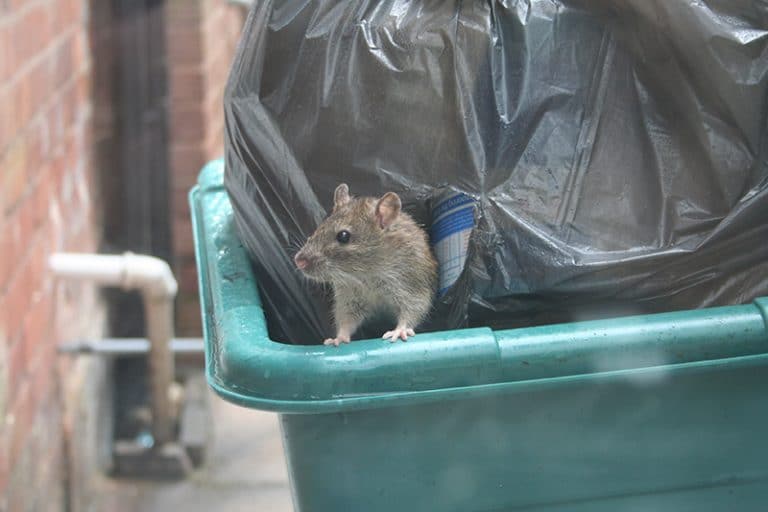
Running a restaurant in Billings comes with its share of challenges, managing staff, keeping customers happy, and maintaining that five-star health inspection rating. But there’s one threat that can undermine all your hard work in a matter of days: pests. A single rodent sighting or cockroach complaint can shutter your doors, destroy your reputation online, and cost you thousands in lost revenue.
We’ve seen it happen to good businesses. A thriving downtown café, a beloved family diner, one pest incident and everything changes. That’s why commercial pest control for Billings restaurants isn’t just a line item on your budget. It’s an investment in your business’s survival. In this guide, we’ll walk you through why pest control matters for food service, what common pests you’re up against in Montana, and how to build a defense that keeps inspectors happy and customers coming back.
Why Pest Control Is Critical for Food Service Businesses
Food service and pest problems don’t mix, ever. The stakes are simply too high. A single pest sighting reported by a customer can trigger a chain reaction: negative reviews, social media backlash, and potentially a visit from health inspectors that doesn’t go your way.
But the risks go beyond reputation. Pests carry diseases. Rodents spread salmonella and hantavirus. Cockroaches trigger asthma and contaminate food prep surfaces. Flies? They’re basically tiny disease vectors with wings. When you’re serving food to the public, you’re responsible for their health, and pests threaten that responsibility directly.
There’s also the financial reality. The National Restaurant Association estimates that pest-related closures cost restaurants an average of $10,000 to $50,000 in lost revenue, remediation costs, and fines. Some never recover. We’ve worked with Billings restaurant owners who waited too long to address a “minor” mouse problem, only to face a full-blown infestation that required weeks of treatment.
Proactive commercial pest control isn’t about reacting to problems, it’s about preventing them from happening in the first place. Regular inspections, ongoing treatment plans, and integrated pest management strategies create a protective barrier around your business. And in Montana’s climate, where harsh winters drive pests indoors seeking warmth and food, that barrier becomes even more essential.
Common Pests That Threaten Billings Restaurants
Montana’s unique climate and geography create specific pest pressures for food service businesses. Understanding what you’re dealing with is the first step toward effective control.
Rodents
Mice and rats are among the most destructive pests for restaurants. They often look harmless enough, but rodents can cause serious damage to your property and transmit diseases to humans. They gnaw through wiring (creating fire hazards), contaminate food stores with droppings and urine, and reproduce at alarming rates.
A single pair of mice can produce up to 60 offspring in a year. And once they’ve found a reliable food source, like your walk-in cooler or dry storage area, they’re not leaving voluntarily. We commonly see increased rodent activity in Billings restaurants during fall and winter months, when dropping temperatures push them indoors.
Signs of rodent activity include droppings near food storage areas, gnaw marks on packaging, greasy rub marks along walls, and scratching sounds in walls or ceilings.
Cockroaches
An unwelcome guest in any establishment, cockroaches can enter your restaurant through even the smallest crack, gaps around pipes, vents, delivery boxes, even employees’ belongings. They’re masters at hiding, reproduce quickly, and can turn into a full infestation even if you’re using store-bought sprays and traps.
Cockroaches are particularly problematic because they’re nocturnal. By the time you spot one during business hours, there are likely dozens more hiding in walls, behind equipment, and under sinks. They contaminate food, trigger allergies, and create an immediate health code violation if found during an inspection.
German cockroaches are the most common species we encounter in Billings food service establishments, though American cockroaches also appear, especially in older buildings with basement storage.
Flies and Stored Product Pests
Flies are more than a nuisance, they’re a serious food safety threat. House flies, fruit flies, and drain flies all thrive in restaurant environments where food waste, moisture, and organic matter provide ideal breeding conditions. A single fly can carry over 100 different pathogens, transferring bacteria every time it lands on a food prep surface or finished dish.
Stored product pests like Indian meal moths, weevils, and grain beetles target your dry goods, flour, rice, cereals, spices, and baking ingredients. They often arrive already inside packaging from suppliers, making them difficult to prevent entirely. Once established, they spread through your entire pantry, contaminating products and forcing expensive disposal.
Regular inspection of incoming deliveries and proper food rotation practices help, but professional monitoring remains essential for early detection.
Health Code Compliance and Inspection Requirements
Montana’s food service establishments operate under strict health code regulations, and pest control sits at the center of compliance requirements. The Montana Department of Public Health and Human Services, along with local Yellowstone County health officials, conduct regular inspections of Billings restaurants, and they don’t give advance notice.
Inspectors look for evidence of pest activity in several key areas: food storage and preparation zones, waste disposal areas, receiving docks, restrooms, and dining spaces. Finding live pests, droppings, gnaw marks, or nesting materials results in immediate point deductions, and serious infestations can trigger temporary closure orders.
Here’s what inspectors specifically check for:
- Evidence of rodent activity: Droppings, tracks, gnaw marks, or live/dead rodents
- Cockroach presence: Live insects, egg casings, or fecal spotting near food areas
- Flying insect control: Proper screening, air curtains, and electronic fly traps
- Pest control documentation: Records of regular professional treatments and inspections
- Structural integrity: Sealed entry points, proper door sweeps, intact screens
Maintaining documentation is crucial. We provide our restaurant clients with detailed service reports after every visit, documenting treatments applied, pest activity observed, and recommendations for improvement. These records demonstrate due diligence during inspections and protect you if questions arise.
Keep in mind that repeat violations escalate quickly. A minor pest issue that’s addressed immediately might result in a warning, but chronic problems or severe infestations can lead to fines, mandatory closures, and public posting of violations, none of which your restaurant’s reputation can afford.
What to Expect From a Commercial Pest Control Program
A professional commercial pest control program isn’t a one-time spray and pray operation. It’s an ongoing partnership built around prevention, monitoring, and rapid response when issues arise.
At Best Pest Control, our approach to restaurant pest management starts with a thorough inspection of your entire property, kitchen, storage areas, dining room, restrooms, exterior perimeter, dumpster areas, and receiving docks. We identify existing pest activity, potential entry points, and conditions that attract pests in the first place.
From there, we develop a customized treatment plan. For food service businesses, we prioritize methods that are safe to use around food preparation areas. Our green solutions include chemical-free pest deterrents, non-toxic bait systems, and targeted treatments that address specific pest pressures without compromising food safety.
Here’s what a typical commercial program includes:
Initial Assessment and Treatment
Comprehensive inspection identifying current pest activity and vulnerabilities. Immediate treatment of any active infestations using methods appropriate for food service environments.
Ongoing Prevention Visits
Regular scheduled visits, typically monthly for restaurants, to inspect, treat perimeters, refresh bait stations, and monitor for new activity. Frequency adjusts based on seasonal pest pressures and your specific risk factors.
Documentation and Reporting
Detailed service reports after every visit, including findings, treatments applied, and recommendations. These records satisfy health inspector requirements and help track trends over time.
Emergency Response
If a pest issue emerges between scheduled visits, you need fast response. We offer priority scheduling for commercial clients because we understand that a pest sighting on a Friday night can’t wait until Monday.
Staff Training and Recommendations
We’ll advise your team on practices that support pest prevention, proper food storage, cleaning protocols, and how to identify early warning signs of pest activity.
Preventive Measures Every Restaurant Should Implement
Professional pest control provides the foundation, but daily practices by your staff make or break long-term results. Here are the preventive measures we recommend to every restaurant client:
Seal Entry Points
Pests exploit tiny gaps. Check door seals, window screens, utility penetrations, and foundation cracks regularly. A mouse can squeeze through a hole the size of a dime. Weather stripping, door sweeps, and caulking go a long way.
Manage Waste Properly
Dumpsters should have tight-fitting lids and be positioned away from building entrances. Empty indoor trash bins frequently, and clean them regularly. Food waste attracts everything from flies to rodents.
Store Food Correctly
Keep dry goods in sealed containers, not their original cardboard boxes, which pests can easily penetrate. Rotate stock using first-in, first-out practices. Inspect deliveries before accepting them, looking for signs of pest contamination.
Eliminate Water Sources
Pests need water to survive. Fix leaky pipes and faucets promptly. Don’t let water accumulate under refrigeration units or in floor drains. Ensure your grease trap receives regular cleaning.
Maintain Rigorous Cleaning Standards
Clean under equipment, behind prep tables, and in corners where food debris accumulates. Empty drain traps regularly. Wipe down surfaces at close, crumbs left overnight are an open invitation.
Landscape Management
Keep vegetation trimmed away from building walls. Overgrown shrubs and trees provide bridges for pests to reach your structure. Remove debris piles near your building where rodents might nest.
Employee Awareness
Train your staff to report pest sightings immediately, even a single insect. Early detection means easier treatment. Create a culture where reporting isn’t seen as creating problems but as preventing bigger ones.
How to Choose the Right Pest Control Partner in Billings
Not every pest control company understands the unique demands of food service. When evaluating potential partners, here’s what matters:
Local Experience
A company familiar with Billings and Montana’s specific pest pressures, from our harsh winters that drive rodents indoors to seasonal fly activity, will provide more effective solutions. At Best Pest Control, we’ve been serving Montana since 1998, and our decades of local experience mean we know exactly what pests you’re facing and when.
Food Service Expertise
Ask whether they regularly service restaurants and food processing facilities. The methods and products appropriate for a warehouse differ from those safe for use around food preparation. Your pest control partner should understand FDA requirements, health code expectations, and how to work around your operating hours.
Integrated Pest Management Approach
Look for companies that emphasize prevention and monitoring, not just reactive spraying. IPM programs combine physical exclusion, sanitation recommendations, targeted treatments, and ongoing monitoring for sustainable results.
Flexible Scheduling
Restaurants don’t operate 9-to-5. You need a partner who can service your facility during off-hours, early mornings, late nights, or between lunch and dinner service, without disrupting operations.
Documentation and Communication
Professional companies provide written service reports and maintain records of all treatments. This documentation proves essential during health inspections. Also, look for responsive communication when you have questions or concerns between visits.
Licensing and Insurance
Verify that any company you consider is fully licensed to operate in Montana and carries appropriate liability insurance. This protects you if something goes wrong.
Service Guarantees
Reputable companies stand behind their work. Ask about guarantees and what happens if pest activity persists between treatments. At Best Pest Control, we offer a service guarantee because we’re confident in our results.
Conclusion
Pest control isn’t glamorous, but for Billings restaurants, it’s absolutely fundamental. One rodent, one cockroach, one failed inspection can undo years of building your reputation and customer loyalty.
The good news? With the right commercial pest control partner and consistent preventive practices, pest problems are entirely manageable. It’s about staying ahead of issues rather than scrambling to respond after damage is done.
We’ve helped restaurants across Billings maintain pest-free operations and pass inspections with flying colors. As a local, family-owned company, we understand what’s at stake for your business, because your success matters to our community too.
If you’re dealing with a current pest issue or want to establish an ongoing prevention program, Best Pest Control is ready to help. Contact us today for a comprehensive inspection of your facility. Let us protect your restaurant so you can focus on what you do best, serving great food to your customers.