
If you’ve lived in Billings for more than a few years, you’ve probably noticed the changes. New subdivisions are popping up along the Rims, housing developments are stretching into areas that were once open rangeland, and with all that growth comes an unexpected consequence: more wildlife encounters than ever before.
We’re not just talking about the occasional deer grazing in your backyard. Homeowners across Billings are dealing with raccoons raiding garbage cans, coyotes eyeing family pets, and skunks setting up residence under porches. It’s becoming a real issue, and one that requires both understanding and practical solutions.
In this guide, we’ll walk you through why wildlife problems are increasing in Billings neighborhoods, which animals are causing the most trouble, and what you can do to protect your property, pets, and family. Whether you’re a longtime resident or just moved into one of the city’s newer developments, this information will help you coexist more safely with Montana’s wild neighbors.
Why Wildlife Encounters Are Increasing in Billings
Billings has been Montana’s largest city for decades, but the pace of growth over the past ten years has been something else entirely. The population has climbed steadily, and development has pushed into areas that wildlife have called home for generations. When we build houses where deer used to browse and coyotes used to hunt, those animals don’t just disappear, they adapt.
The terrain around Billings makes this especially pronounced. The Rimrocks, Yellowstone River corridor, and surrounding foothills create natural wildlife highways that now intersect with residential streets and backyards. Animals follow these corridors looking for food, water, and shelter, and our neighborhoods happen to be right in their path.
Climate factors play a role too. Mild winters mean wildlife populations stay strong, and drought conditions can push animals into urban areas looking for water sources, like your sprinkler system or decorative pond. Add in the abundance of food waste, pet food left outside, and ornamental landscaping that looks like an all-you-can-eat buffet to certain species, and you’ve got a recipe for regular wildlife encounters.
The bottom line? This isn’t a temporary situation. As Billings continues to grow, we need to learn how to manage these interactions rather than just react to them.
Common Wildlife Species Causing Problems
Not all wildlife causes the same headaches, and knowing what you’re dealing with helps determine the right response. Here are the most common culprits we see in Billings neighborhoods.
Deer and Elk
Deer are probably the most visible wildlife in Billings’ expanding neighborhoods, particularly mule deer and white-tailed deer. They’re beautiful to watch, until they strip your garden, demolish your landscaping, and leave droppings all over your lawn. A single deer can consume up to seven pounds of vegetation daily, and they have expensive taste: ornamental shrubs, fruit trees, and vegetable gardens are favorites.
Elk are less common within city limits but show up in neighborhoods closer to the Rims and outlying areas. They’re larger and can cause more significant damage to fencing and landscaping. Both species also create vehicle collision hazards, especially during dawn and dusk hours.
Raccoons and Skunks
These nocturnal troublemakers are masters at exploiting suburban environments. Raccoons are intelligent, dexterous, and surprisingly strong. They’ll tip over secured garbage cans, tear through garden netting, and find their way into attics, crawl spaces, and garages if given any opportunity. They can also carry rabies and roundworm, making them a genuine health concern.
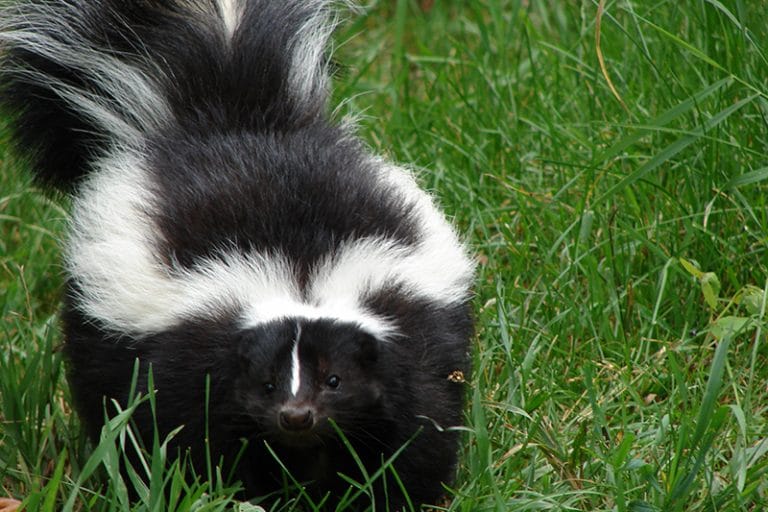
Skunks present their own challenges. Beyond the obvious odor problem when they feel threatened, skunks dig up lawns looking for grubs and insects, creating unsightly holes and patches of dead grass. They love to den under porches, decks, and sheds, often close enough to spray curious pets through the structure’s gaps.
Coyotes and Foxes
Coyote sightings in Billings neighborhoods have increased dramatically over the past several years. These adaptable predators have learned that suburban areas offer easy meals: unsecured garbage, fallen fruit, and unfortunately, small pets. Cats and small dogs left outside unsupervised can become targets, especially at night.
Foxes are generally less bold than coyotes but still cause problems. They’ll raid chicken coops, dig under fences, and scatter garbage in search of food. Both species can carry rabies and should never be approached or fed.
Signs of Wildlife Activity on Your Property
Sometimes wildlife problems are obvious, you literally see the animal in your yard. But more often, the signs are subtler, and recognizing them early can help you address issues before they become serious.
Track marks and trails are common indicators. Look for worn paths through vegetation, especially along fence lines or near potential entry points to your property. Deer create distinctive trails through gardens, while raccoons and skunks leave tracks near garbage areas, water sources, and possible den sites.
Digging and lawn damage often point to specific animals. Skunks create small, cone-shaped holes as they dig for grubs. Voles, another common Billings pest, create surface runways and can cause dead patches and holes in your lawn, along with damage to plants and even tree roots. Larger disturbed areas might indicate a coyote or fox searching for rodents.
Garbage disturbances speak for themselves. If your secured cans are being knocked over or torn into, you’ve likely got raccoons. They’re persistent and will return night after night once they’ve found a food source.
Droppings are another telltale sign. Deer pellets are small and oval-shaped, usually in groups. Raccoon droppings are larger and often contain visible seeds or berries. If you’re finding animal waste regularly, you’ve got regular visitors.
Structural damage, scratches on siding, torn vent screens, or disturbances around foundation edges, suggests an animal may be trying to access your home or has already found entry. Don’t ignore these signs, as wildlife in your home creates serious health and safety risks.
Safe and Humane Wildlife Deterrent Methods
The good news is that most wildlife problems can be managed with practical deterrent methods. The goal isn’t to harm animals, it’s to make your property less attractive and accessible to them.
Securing Your Home and Yard
Start with the basics: eliminate food sources. This means bringing pet food inside at night, securing garbage cans with locking lids or storing them in a garage until collection day, and picking up fallen fruit from trees promptly. Even bird feeders can attract unwanted visitors, so consider bringing them in at night or using designs that limit access to larger animals.
Close potential entry points around your home. Inspect your foundation, soffits, and vents for gaps or damage. Replace torn screens, cap chimneys, and seal openings where pipes or wires enter your home. Raccoons and skunks need surprisingly small openings to gain access, so be thorough.
Fencing can be effective, but it needs to be appropriate for the species you’re targeting. Deer can jump fences up to eight feet high, so shorter barriers won’t stop them. For smaller animals, bury fence edges several inches underground to prevent digging. Motion-activated lights and sprinklers can also deter nocturnal visitors, though persistent animals may eventually ignore them.
Landscaping Strategies to Discourage Wildlife
Your landscaping choices significantly impact wildlife activity. Deer-resistant plants, like lavender, sage, and ornamental grasses, won’t eliminate deer visits but can reduce damage. Avoid planting their favorites near your home: hostas, tulips, and most fruit trees are essentially deer magnets.
Keep vegetation trimmed and eliminate brush piles that provide cover for smaller wildlife. Skunks and raccoons prefer areas with hiding spots, so open lawns and trimmed shrubs make your property less appealing. Clear debris from around foundations and outbuildings.
If voles are damaging your landscaping, and they’re very destructive here in Montana, consider gravel barriers around valuable plants and keep mulch depths shallow. Thick mulch provides perfect cover for vole runways.
When to Call Professional Wildlife Control
DIY deterrents work well for prevention and minor issues, but some situations require professional help. Knowing when to call in experts can save you time, money, and potential safety risks.
If wildlife has already entered your home, whether it’s a bat colony in the attic, a raccoon in the chimney, or a skunk under your deck, professional removal is the safest approach. These animals can be dangerous when cornered, may carry diseases, and improper removal can create bigger problems (like a trapped animal dying in your walls).
Repeated wildlife activity even though your best deterrent efforts suggests you need a more comprehensive approach. Professionals can identify entry points and attractants you’ve missed, and carry out more effective solutions. At Best Pest Control, we’ve been helping Billings homeowners deal with wildlife problems since 1998. We understand the local species, their behaviors, and the most effective methods for protecting your property. Our team can inspect your home, identify vulnerabilities, and create a customized plan to address your specific situation.
Some wildlife situations also have legal considerations. Many species are protected by Montana law, and there are specific regulations about how they can be handled. Professionals understand these rules and can ensure removal is done legally and humanely.
Any signs of aggressive animal behavior warrant an immediate call to professionals, and potentially Montana Fish, Wildlife & Parks. Animals acting unusually bold or unafraid of humans may be sick, and rabies is always a concern.
Local Resources for Billings Residents
Dealing with wildlife problems is easier when you know where to turn for help and information. Here are key resources for Billings residents.
Montana Fish, Wildlife & Parks (FWP) handles questions about wildlife regulations, provides advice on living with wildlife, and responds to situations involving injured or dangerous animals. They can provide guidance on what species are protected and what removal methods are legal in your situation.
For immediate wildlife removal and ongoing prevention, local pest control companies with wildlife expertise are your best option. Best Pest Control serves all of Montana and specializes in protecting properties from wildlife, including bats, snakes, raccoons, and more. We’re a family-owned local company with decades of experience dealing with the specific animals and challenges we see here in Billings. We’re fully licensed, insured, and offer a service guarantee.
The Yellowstone County Extension Office can provide advice on landscaping strategies and deer-resistant plants suited to our climate. They’re a great resource for the gardening side of wildlife management.
Your homeowners association, if you have one, may also have guidelines or resources for addressing wildlife issues in your neighborhood. Some associations coordinate community-wide efforts that can be more effective than individual approaches.
Conclusion
Wildlife problems in Billings aren’t going away, if anything, they’ll become more common as the city continues to grow into former wildlife habitat. But that doesn’t mean you have to accept damaged landscaping, scattered garbage, and safety concerns as part of life.
By understanding why these encounters happen, recognizing the signs of wildlife activity, and implementing practical deterrent strategies, you can significantly reduce problems on your property. Secure food sources, close entry points, make smart landscaping choices, and stay vigilant.
And when DIY methods aren’t enough, don’t hesitate to call for help. At Best Pest Control, we’re here to protect your property, pets, and family from the dangers wildlife can pose. Whether you’re dealing with a current problem or want to prevent future issues, we have the experience and solutions to help. Contact us today, and let’s work together to keep Billings’ wildlife where it belongs, in the wild, not in your backyard.