
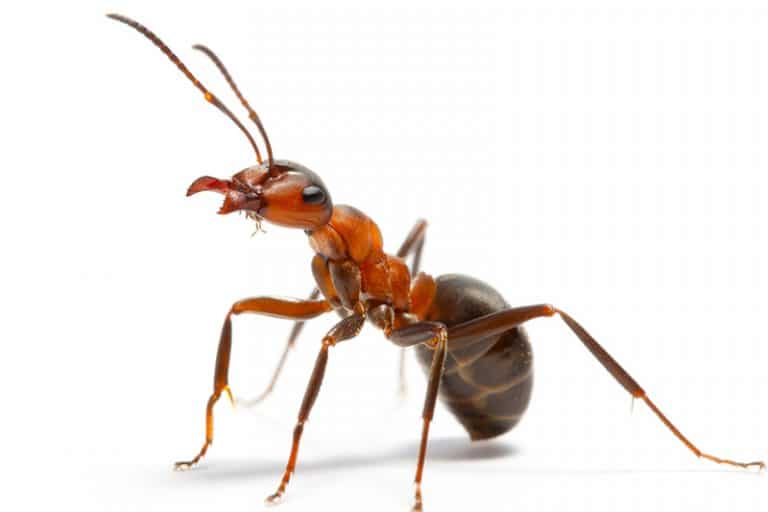
Warm afternoons in the Heights, weekend grilling in West End, kids running across the lawn in Laurel, until a trail of ants shows up and ruins the vibe. We get it. Outdoor ant control isn’t just about comfort: it’s about protecting your home or business from colonies that can number 300,000 to 500,000 ants. At Best Pest Control Billings, we help our neighbors keep patios and yards enjoyable without turning every BBQ into a bug battle. Here are practical, local tips that actually work in Billings.
Key Takeaways
- Effective outdoor ant control starts with identifying Billings species—pavement, field, or carpenter—and selecting the right bait to target colonies, not just foraging trails.
- Eliminate attractants daily: clean grills, secure and rinse trash/recycling, bring in pet bowls, pick fallen fruit, fix leaks, water in the morning, keep mulch shallow, store firewood away, trim vegetation, and set pavers with polymeric sand.
- Prioritize baits during early-morning and evening foraging, place them along trails and mound edges, avoid spraying over bait, and rotate actives while following Montana labels.
- Use light, targeted perimeter treatments and granular applications in high-traffic zones, and protect kids, pets, and pollinators by keeping products off blooms and away from drains and waterways.
- Call a Billings pro if you see carpenter ant frass, hear wall rustling, or trails keep returning—large, satellite colonies often require coordinated outdoor ant control.
Know Your Local Ants
Common Species In Billings
We typically see pavement ants along pavers and cracks, field ants in open turf, and carpenter ants around wood and moist structural voids. Pavement and field ants are mostly a nuisance outdoors, but carpenter ants can cause real damage by hollowing out damp wood. When you call Best Pest Control Billings, we start with species ID because different ants prefer different foods and nesting sites. That lets us choose the right control, bait for sugar-loving pavement ants, protein baits when colonies are rearing brood, and targeted treatments for carpenter ants.
Identifying Nests, Mounds, And Satellite Colonies
Look for:
- Small soil volcanoes between pavers or along sidewalks (pavement ants)
- Dome-shaped mounds in sunny parts of the lawn (field ants)
- Rustling in wall voids, sawdust-like frass, or nighttime foragers near wooden elements (carpenter ants)
Ants often set up satellite colonies, so the mound you see may only be part of a bigger network. That’s why sprays on trails can backfire and cause the colony to split. We focus on the nest, not just the parade of workers.
Seasonal Activity Patterns And Weather Triggers
Billings ants perk up in spring as soil warms, spike through summer, and push closer to buildings during hot, dry stretches to find moisture. Overwatered lawns are an easy invitation, and after heavy rains you’ll see new mounds as colonies reorganize. Early mornings and evenings are prime foraging times, so that’s when baiting is most productive.
Eliminate Attractants And Maintain Your Yard And Patio
Food Sources: Grilling Areas, Trash, Pet Bowls, And Fruit Trees
- Wipe down the grill and side tables after every cookout. A film of grease is a beacon.
- Use tight-lidded cans and rinse recycling. Bagged trash left on the patio invites trails overnight.
- Bring pet bowls inside after meals and scrub residue. Ants follow the protein and fats.
- Pick up dropped apples or berries and hose off sticky patios. If aphids are farming on your roses or shade trees, manage them, ants love their honeydew.
Moisture Management And Irrigation Timing
- Water early morning so surfaces dry during the day.
- Fix leaky hose bibs and irrigation heads.
- Aerate compacted spots and redirect gutter downspouts away from foundations and patios. Ants gravitate to damp edges and pooling areas.
Landscaping Choices: Mulch Depth, Firewood, And Vegetation Clearance
- Keep mulch to 2 inches and pull it back a few inches from the foundation.
- Store firewood off the ground and at least 20 feet from buildings. Rotate stacks so moisture doesn’t build.
- Trim shrubs and groundcover so they don’t touch siding. Plants that bridge to the house become ant highways.
Patios And Pavers: Crack Sealing, Polymeric Sand, And Edge Restraints
- Sweep old sand out of joints and refill with polymeric sand. It hardens and reduces nesting between pavers.
- Seal cracks in concrete and around posts. Caulk tight gaps where ants slip in.
- Install proper edge restraints so pavers don’t shift and open new voids.
Treatment Options That Work In Billings
Baits vs. Sprays: When Each Works Best Outdoors
Baits shine when ants are actively foraging. Workers carry the slow-acting bait back to the colony and share it with larvae and queens. Sprays can be useful for spot knockdowns, but if you only spray trails, you mostly kill the ants you can see while the nest keeps humming. In many Billings yards, we start with baits along trails and near nests, then follow up with targeted residuals where needed.
Active Ingredients To Consider And Avoid Misuse
- Sugar baits: borax or sodium tetraborate blends work for sweet-feeding species.
- Protein/grease baits: effective when colonies are rearing brood.
- Granules for turf: products containing bifenthrin or similar actives, watered in per label, can reach sub-surface galleries.
Avoid overapplying contact insecticides at the same time as you’re baiting. Spraying over bait stations repels ants and ruins the transfer effect. Rotate actives across the season to limit resistance, and always follow the Montana label, more is not better.
Treating Mounds And Trails Without Spreading Colonies
- Place bait along foraging lines, at mound edges, and where trails meet hardscape.
- Don’t flood every mound you see: queens sit deep, and colonies can bud into new nests under stress.
- For active mounds in open turf, a labeled drench can work, but read the application rate and water-in directions closely.
Perimeter Treatments And Granules For High‑Traffic Zones
A light, even band treatment around the home, patio footings, and fence lines creates a barrier that cuts down on infiltration. Granular products applied to lawn edges, pet runs, and along retaining walls can help in high-traffic hot spots. We tailor perimeter treatments at Best Pest Control Billings to match your yard layout and the species present, so you get control without blanketing everything.
Natural And Low‑Impact Methods (Diatomaceous Earth, Soapy Water, Boiling Water Cautions)
- Diatomaceous earth (food grade) can dry out ants when applied to dry, sheltered cracks. Keep it dry to remain effective.
- Soapy water (about 2 gallons water to 2 tablespoons dish soap) breaks surface tension and can knock down small surface populations on contact.
- Boiling water may kill surface workers but rarely reaches queens and can scald turf. Use with care if at all.
Safety And Environmental Considerations
Protecting Kids, Pets, And Pollinators
Place baits in tamper-resistant stations and out of reach of little hands and paws. Time liquid or granular applications for early morning or evening when pollinators are less active, and keep products off blooming plants.
Avoiding Drift, Runoff, And Waterways
Check the forecast and skip windy days. Keep a buffer from sidewalks that slope toward storm drains, rims of landscaping that drain toward the street, and near creeks or irrigation ditches. Sweep errant granules off hard surfaces back into the lawn.
Reading And Following Labels In Montana
Labels are the law. Pay attention to reentry intervals, watering-in steps, and maximum rates per 1,000 square feet. If the product requires protective gear, wear it. When in doubt, we’re happy to handle it for you safely and correctly.
When To Call A Professional In Billings
Signs Of Carpenter Ants And Structural Risk
Persistent rustling in walls at night, piles of coarse sawdust-like frass under siding or beams, large winged ants indoors in spring, these are red flags. Carpenter ants don’t eat wood, but they excavate it, and moisture-damaged areas go first. This is where a professional inspection is crucial.
Large Or Recurrent Colonies Even though Good Maintenance
If you’ve tidied the yard, corrected watering, and used bait properly yet trails keep reforming, the colony may be large, dispersed, or on a neighboring property. DIY sprays often only hit foragers. Remember, a mature colony can house hundreds of thousands of ants. Best Pest Control Billings can trace nesting zones, identify species, and put together a plan that targets the source.
Neighborhood Sources And Coordinated Control
Shared fences, greenbelts, and HOA common areas can support satellite colonies. If multiple homes are seeing activity, coordinated service brings faster results. We routinely work with property managers and business owners to schedule area-wide treatments that line up with irrigation and maintenance.
Conclusion
Outdoor ant control tips for Billings yards and patios come down to three things: reduce what attracts ants, use the right treatment for the species and season, and protect the perimeter without overdoing it. If you’d like help with any part of that, from identifying the ants to choosing baits that match what they’re feeding on, we’ve got your back. Best Pest Control Billings starts with a thorough inside-and-out inspection, then builds a plan that fits your property, kids, pets, and schedule. Ready to reclaim the patio? Call or contact Best Pest Control Billings today and let’s get your yard back to ant-free, BBQ-ready shape.
Frequently Asked Questions
What are the most effective outdoor ant control tips for Billings yards and patios?
Start with species identification, then remove attractants: clean grills, secure trash, bring in pet bowls, manage aphids, and fix moisture issues. Use baits during peak foraging (early morning/evening), reserve sprays for targeted knockdowns, seal cracks, refill paver joints with polymeric sand, and apply light perimeter treatments as needed.
How can I identify common ants and nests in Billings?
Pavement ants form small soil “volcanoes” along pavers; field ants build dome mounds in sunny turf; carpenter ants leave sawdust-like frass, rustling in walls, and forage at night near wood. Ants often create satellite colonies, so treat nests, not just trails, to prevent splitting (budding).
When should I use baits vs. sprays for outdoor ant control in Billings?
Use slow-acting sugar or protein baits when ants are actively foraging—especially mornings and evenings in spring and summer. Avoid spraying over bait. Reserve residual sprays for focused barriers or spot knockdowns. Rotate actives and follow Montana labels to avoid resistance and protect beneficials.
How do I keep kids, pets, and pollinators safe during outdoor ant treatments?
Place baits in tamper-resistant stations and out of reach. Time applications for early morning or evening, keep products off blooming plants, and avoid windy days to prevent drift. Maintain buffers from drains and waterways, sweep granules off hardscapes, and follow reentry intervals on labels.
Do natural remedies like vinegar, cinnamon, or diatomaceous earth work for outdoor ant control?
Vinegar and cinnamon can briefly disrupt trails but rarely impact colonies. Food-grade diatomaceous earth can help in dry, sheltered cracks if kept dry. Treat these as adjuncts: combine with sanitation, sealing, and strategic baiting for sustained results. Avoid boiling water on lawns—it seldom reaches queens.
How long does outdoor ant treatment last in Billings, and how often should I reapply?
Weather and irrigation shorten residuals. Many perimeter sprays last 30–90 days; baits work over days to weeks as they spread through colonies. Reapply only per label, reassess after heavy rain, and consider 6–8 week maintenance during peak season. Persistent activity may require professional inspection and coordinated control.