
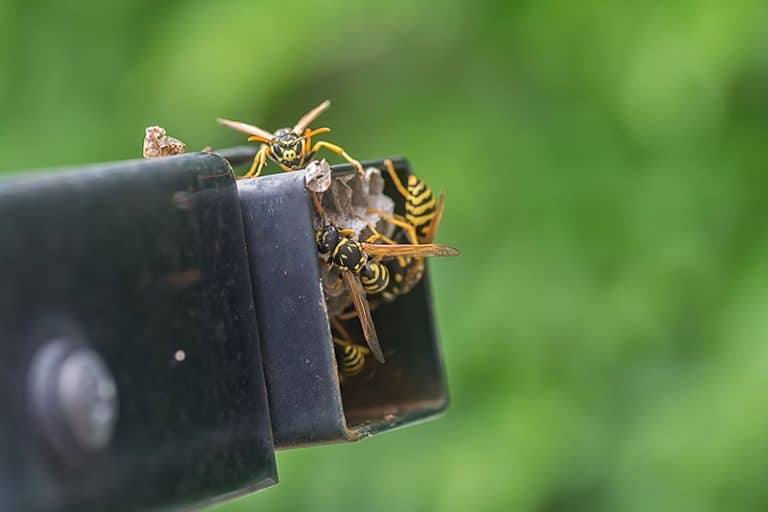
Nothing ruins a beautiful Montana summer evening faster than an angry wasp buzzing around your head while you’re trying to enjoy dinner on the deck. If you’ve ever had to abandon a backyard barbecue or rush your kids inside because of these stinging insects, you know exactly how frustrating, and sometimes dangerous, a wasp problem can be.
Here in Billings, our warm summers and dry climate create ideal conditions for wasps to thrive. They’re drawn to the same outdoor spaces we love: decks where food is served, porches where sweet drinks sit unattended, and play areas where kids run barefoot through the grass. And while wasps do serve a purpose in the ecosystem (they’re actually effective predators of other insects), that’s cold comfort when you’re dealing with a nest near your patio.
The good news? There are proven strategies to keep wasps away from your outdoor living spaces without turning your backyard into a chemical zone. In this guide, we’ll walk you through why wasps target these areas in the first place, which species are most common around Billings, and practical steps you can take to reclaim your outdoor spaces. We’ll also cover when it’s time to call in professional help, because sometimes DIY just won’t cut it.
Why Wasps Are Attracted to Outdoor Living Spaces
Understanding what draws wasps to your deck, porch, or play area is the first step toward keeping them away. These insects aren’t randomly choosing your backyard, they’re following specific cues that signal food, water, and shelter.
Food sources are the biggest attractant. Wasps are opportunistic feeders with a particular fondness for proteins and sugars. That hamburger on the grill? Irresistible. The can of soda your teenager left on the porch railing? A wasp magnet. Even pet food left outside can draw them in. In late summer and early fall, wasps become especially aggressive in their search for sweets as their natural food sources decline.
Water is another major draw. Birdbaths, kiddie pools, dripping hoses, and even morning dew collected on patio furniture can attract thirsty wasps. They need water not just for drinking but also for cooling their nests during Billings’ hot summer days.
Shelter and nesting sites round out the trifecta. The eaves of your porch, the underside of your deck, hollow fence posts, and gaps in outdoor furniture all provide protected spots where wasps can build nests undisturbed. They’re looking for locations that offer shade, protection from wind, and easy access to their hunting grounds.
Scented products can also play a role. Perfumes, scented lotions, and even brightly colored clothing can attract curious wasps. They’ve evolved to associate floral scents and colors with food sources, so that Hawaiian shirt might be doing you no favors.
Common Wasp Species in Billings
Not all wasps behave the same way, and knowing which species you’re dealing with can help you choose the right approach. Here in Billings, we encounter several types regularly.
Paper wasps are probably the most common variety you’ll see around decks and porches. They build distinctive open-faced, umbrella-shaped nests that hang from eaves, pergolas, and porch ceilings. Paper wasps are generally less aggressive than some other species, they’ll typically only sting if they feel their nest is threatened. Their nests start small in spring but can grow to house dozens of wasps by late summer.
Yellowjackets are the ones that crash your picnic and refuse to leave. These black-and-yellow striped wasps are more aggressive than paper wasps and often build their nests underground or in wall voids. They’re especially problematic near play areas where kids might accidentally step on a ground nest. Yellowjackets become increasingly aggressive in late summer and fall as their colonies reach peak size.
Bald-faced hornets (which are technically a type of wasp, not true hornets) build large, enclosed paper nests in trees, shrubs, and sometimes under deck overhangs. They’re larger than yellowjackets and can be quite aggressive when defending their nest. You’ll recognize them by their black bodies with white markings on the face.
Mud daubers are the solitary wasps you might see building tube-like mud nests on walls, under eaves, or in corners of porches. They’re actually beneficial insects that prey on spiders and are rarely aggressive toward humans. Still, their nests aren’t exactly the aesthetic most homeowners are going for.
Each species requires a slightly different management approach, which is one reason why professional identification can be valuable when you’re dealing with a significant wasp problem.
Natural Deterrents That Work
If you prefer to avoid heavy chemical treatments, especially around areas where kids and pets play, there are several natural methods that can help discourage wasps from setting up shop.
Plants That Repel Wasps
Certain plants produce scents that wasps find unpleasant, making them useful additions to your deck planters or garden beds near outdoor living areas.
Spearmint and peppermint are among the most effective. Wasps strongly dislike the menthol scent these plants produce. Plant them in containers on your deck or around the perimeter of your porch. As a bonus, you’ll have fresh mint for summer drinks.
Lemongrass contains citronella, which repels many flying insects including wasps. It grows well in Billings’ climate and adds an attractive ornamental grass element to your landscaping.
Eucalyptus, while harder to grow outdoors in Montana’s climate, can be kept in pots and brought inside during winter. Its strong menthol scent is a natural wasp deterrent.
Wormwood (Artemisia) is well-suited to our dry climate and produces a bitter scent that wasps avoid. It’s a hardy perennial that requires minimal watering once established.
Other plants worth considering include basil, marigolds, and geraniums, particularly the red varieties. While no plant will create an invisible force field against wasps, strategic placement can make your outdoor spaces less inviting to them.
Essential Oils and Homemade Sprays
Essential oil sprays can provide another layer of natural defense. Research has shown that certain oils effectively repel wasps, at least temporarily.
Peppermint oil is consistently cited as one of the most effective options. Mix about 30 drops of peppermint essential oil with water and a small amount of dish soap in a spray bottle. Apply it to areas where wasps tend to congregate or where you’ve noticed them starting to build nests.
Clove and lemongrass oils also show promise. A combination of these with peppermint creates a potent natural deterrent. Some homeowners soak cotton balls in this mixture and place them in strategic locations around their deck or porch.
A simple vinegar trap can help reduce wasp numbers in a specific area. Fill a container with water, apple cider vinegar, and a drop of dish soap. The sweet vinegar attracts wasps, and the soap breaks the surface tension so they can’t escape. Place these traps away from seating areas, you want to draw wasps away, not toward you.
Keep in mind that natural deterrents typically require more frequent application than chemical options. You’ll need to reapply sprays after rain and refresh cotton balls every few days to maintain effectiveness.
Preventive Measures for Decks and Porches
The best way to deal with wasps is to make your outdoor spaces unappealing to them before they become a problem. Prevention beats treatment every time.
Eliminate food temptations. Keep all food covered when eating outside. Clean up spills immediately, and don’t leave empty cans or bottles sitting around, even a few drops of soda residue can attract wasps. If you’re grilling, keep the lid closed as much as possible to contain food odors. And bring pet food bowls inside when not in use.
Manage garbage carefully. Use trash cans with tight-fitting lids, and keep them as far from your main outdoor living areas as practical. Rinse out recyclables before putting them in the bin, that empty jam jar is a wasp buffet waiting to happen.
Seal potential nesting sites. Walk around your deck and porch in early spring (before wasps start nest-building) and seal any gaps, cracks, or holes where wasps might establish a nest. Pay special attention to:
- The undersides of deck railings and stairs
- Gaps where the deck meets the house
- Hollow fence posts and pergola beams
- Spaces behind exterior light fixtures
- Openings in outdoor furniture
Remove standing water. Fix dripping faucets, empty saucers under plant pots, and don’t let water collect in grills or outdoor equipment. If you have a birdbath, change the water frequently.
Hang decoy nests. Wasps are territorial and generally won’t build a nest within 200 feet of an existing colony. Hanging a fake wasp nest (or even a brown paper bag crumpled to look like one) from your porch ceiling can discourage new queens from setting up shop. This works best when installed in early spring before wasps start scouting locations.
Inspect regularly. Make it a habit to check your deck and porch for new nest activity every week or two during wasp season. Catching a nest when it’s golf-ball sized is far easier to deal with than waiting until it’s the size of a basketball.
Keeping Play Areas Safe for Children
When it comes to areas where kids play, wasp prevention takes on extra urgency. Children are more likely to accidentally disturb a nest, less likely to notice warning signs, and may not know to stay still if a wasp approaches.
Ground-level awareness is critical. Many of the most dangerous wasp encounters happen when someone steps on or near a ground nest, particularly yellowjacket nests. Before letting kids loose in a play area, walk the space yourself. Look for wasps entering and exiting a specific spot in the ground, near tree roots, or around the base of play equipment.
Check play structures thoroughly. Swing set frames, the undersides of slides, and the interiors of climbing structures all provide attractive nesting sites for wasps. Make a quick inspection part of your routine before outdoor play begins, especially if the equipment hasn’t been used in a few days.
Create buffer zones. Keep flowering plants and gardens at a distance from sandboxes, swing sets, and play areas. Flowers attract wasps hunting for nectar and the insects that pollinate them. A buffer of lawn or mulch between garden beds and play zones reduces accidental encounters.
Teach kids basic wasp safety. Even young children can learn some simple rules:
- Don’t swat at wasps, it makes them more likely to sting
- Walk away slowly if a wasp approaches
- Tell an adult right away if they see a nest or lots of wasps in one area
- Wear shoes outside, especially in grassy areas
Be careful with sweet snacks. If kids are having popsicles, juice boxes, or fruit outside, stay nearby and clean up promptly. These sugary treats are irresistible to wasps, and a curious child might not notice one landing on their snack.
Know the allergy status of your family. If any child in your household has a wasp allergy, keep emergency medication readily accessible and ensure all caregivers know how to use it. In these cases, professional wasp control isn’t optional, it’s essential for safety.
When to Call a Professional Pest Control Service
DIY prevention and natural deterrents can go a long way, but there are situations where professional intervention is the smart choice.
Large or established nests require expert handling. Once a nest reaches significant size, typically larger than a tennis ball, attempting removal yourself becomes genuinely dangerous. A mature yellowjacket nest can contain thousands of wasps, and disturbing it without proper equipment and training can result in multiple stings. We’ve seen too many Billings homeowners end up in the emergency room after trying to tackle a nest on their own.
Hard-to-reach locations present another challenge. Nests inside wall voids, under rooflines, or in other inaccessible spots need professional treatment. You can’t spray what you can’t reach, and incomplete treatment often makes wasps more aggressive.
If someone in your household has a wasp allergy, don’t take chances with DIY removal. The risk simply isn’t worth it. At Best Pest Control, we inspect properties and provide the right remedy to protect your family, including those who face serious health risks from stings.
Multiple nests on a property suggest conditions that are particularly attractive to wasps. A professional can not only eliminate existing nests but also identify and address the factors that keep drawing wasps back.
Recurring problems year after year indicate that basic prevention isn’t enough. Professional pest control services can carry out more comprehensive solutions, including treatments that discourage wasps from returning to the same areas.
Here at Best Pest Control, we understand that families with kids and pets often prefer eco-friendly solutions. We offer chemical-free pest deterrent options and can work with you to develop an approach that fits your situation. Whether you’re dealing with paper wasps on your porch or yellowjackets threatening your backyard play area, we have decades of experience handling the pests common to Billings and throughout Montana.
The bottom line: if you find a nest and you’re not completely confident in your ability to handle it safely, call a professional. It’s simply not worth the risk.
Conclusion
Keeping wasps away from your Billings decks, porches, and play areas requires a combination of understanding wasp behavior, implementing preventive measures, and knowing when to call for backup. The strategies we’ve covered, from planting deterrent herbs to sealing nesting sites to maintaining a clean outdoor environment, can significantly reduce your chances of sharing your summer with unwanted stinging guests.
Start early in the season, stay consistent with your prevention efforts, and inspect your outdoor spaces regularly. Most wasp problems are far easier to prevent than to solve once they’re established. And remember that wasps become more aggressive as summer turns to fall, so the work you do in spring and early summer pays dividends all season long.
If even though your best efforts you find yourself facing a wasp problem that’s beyond DIY solutions, don’t hesitate to reach out to professionals. At Best Pest Control, we’re a local, family-owned company with decades of experience protecting Billings homes and families from wasps and other pests. We offer a service guarantee and can provide both traditional and chemical-free treatment options depending on your needs.
Your outdoor spaces should be places of relaxation and fun, not anxiety about the next wasp encounter. With the right approach, you can enjoy your deck, porch, and backyard all summer long.