
Buying or selling a home in Billings is exciting, until something crawls out of the woodwork. And we mean that literally. Pest and termite inspections have become a critical step in Montana real estate transactions, protecting both buyers and sellers from costly surprises that can derail a deal or drain a bank account.
At Best Pest Control, we’ve been helping Billings homeowners tackle pest problems since 1998. We know firsthand how a thorough inspection can make the difference between a smooth closing and a financial nightmare. Whether you’re on the buying or selling side of a transaction, understanding what these inspections involve, and why they matter, puts you in a stronger position at the negotiating table.
Why Pest and Termite Inspections Matter in Billings Real Estate Transactions
Real estate transactions involve significant financial stakes, and pest infestations represent one of the most overlooked risks in home buying. Termite damage alone costs American homeowners up to $5 billion every year, and that’s just one type of wood-destroying organism.
For buyers, a pest inspection provides peace of mind. You’re not just purchasing walls and a roof: you’re investing in a structure that should remain sound for decades. Discovering an active termite colony or evidence of carpenter ants after closing means you’re stuck with the repair bill.
Sellers benefit too. Completing an inspection before listing eliminates surprises during negotiations. If issues exist, you can address them proactively or price the home accordingly. Nothing kills a deal faster than a buyer discovering extensive pest damage during their due diligence period.
Montana’s climate creates unique pest pressures. Our cold winters don’t eliminate pest populations, they just drive them indoors. And our dry summers? Perfect conditions for certain wood-destroying insects to thrive. Billings homes, whether newer construction or historic properties, all face these regional pest challenges.
Common Pests and Wood-Destroying Organisms Found in Billings Homes
We see a wide variety of pests in Billings homes, but some cause more concern during real estate inspections than others.
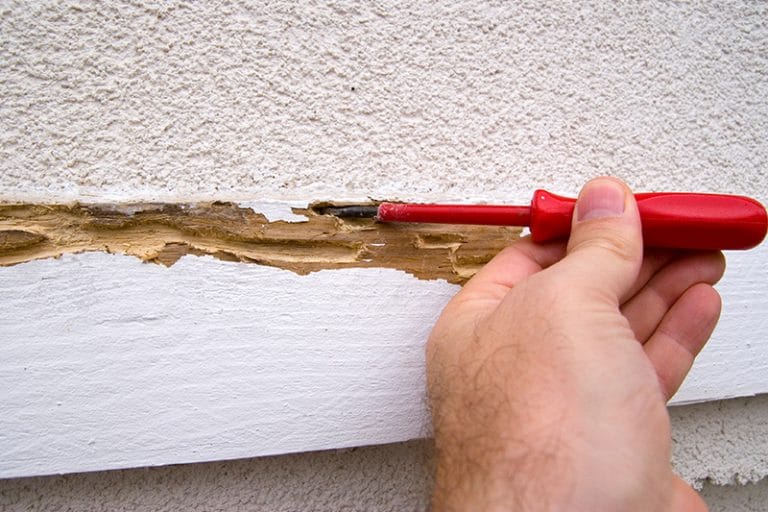
Termites top the list. If you notice mud tubes snaking up walls or your home’s foundation, or you’ve found soft spots in floors, drywall, or trim, your property could be infested. These silent destroyers work 24/7, and by the time visible damage appears, they’ve often been feeding for years.
Carpenter ants don’t eat wood like termites, but they excavate it to build their nests. Large, black ants appearing indoors, especially in spring, often signal an established colony somewhere in the structure.
Rodents are another major concern. Mice and rats don’t just contaminate food and transmit diseases: they gnaw on wiring, insulation, and structural components. Evidence of rodent activity can significantly impact a home’s value and saleability.
Spiders deserve attention too. While most are harmless, wolf spiders and black widows do appear in Montana. We check attics, crawl spaces, and even wood piles to identify spider populations and their entry points.
Other pests we commonly encounter include:
- Cockroaches that enter through tiny cracks and reproduce quickly
- Bed bugs that hitch rides into even the cleanest homes
- Wasps that build nests in eaves, attics, and wall voids
- Voles that destroy landscaping and create foundation concerns
- Wildlife like bats, snakes, and raccoons seeking shelter
What Happens During a Professional Pest Inspection
A thorough pest inspection examines every accessible area of a property. At Best Pest Control, our process starts with a complete walkthrough of the home’s interior and exterior.
We inspect the foundation, looking for those telltale mud tubes, cracks, and moisture issues that attract pests. Crawl spaces receive careful attention, they’re dark, damp, and often the first place termites and other wood-destroying organisms establish themselves.
Attics are another priority. We check for evidence of rodent activity, bat droppings, wasp nests, and signs of wood damage. Damaged insulation often points to pest problems that aren’t immediately visible.
Inside the living spaces, we examine baseboards, window frames, door jambs, and anywhere wood meets foundation. Kitchens and bathrooms get extra scrutiny because moisture attracts many pest species.
Outside, we assess the property’s perimeter. Wood piles stacked against the house, mulch touching the foundation, overgrown vegetation, these conditions create pest highways directly into your home.
The entire inspection typically takes 1-2 hours depending on the property’s size and accessibility. We document everything with photos and detailed notes, then compile our findings into a comprehensive report.
Who Pays for the Inspection and How to Negotiate Repairs
In Montana real estate transactions, who pays for the pest inspection is negotiable. Typically, the buyer orders and pays for the inspection as part of their due diligence. But, some sellers opt to have an inspection completed before listing to identify issues upfront.
Inspection costs in Billings generally range from $75 to $150, depending on property size and complexity. It’s a small investment considering what’s at stake.
When problems are discovered, negotiations begin. Buyers have several options:
- Request the seller make repairs before closing
- Ask for a credit toward closing costs to cover treatment
- Negotiate a price reduction reflecting repair costs
- Accept the property as-is (sometimes with active treatment already underway)
Sellers facing repair requests should get their own estimates. Treatment costs vary widely based on infestation type and severity. A localized ant problem might cost a few hundred dollars to address, while extensive termite damage could run into thousands, especially if structural repairs are needed.
Our advice? Don’t let pest issues kill a deal unnecessarily. Most problems have solutions. The key is accurate diagnosis and realistic cost estimates from qualified professionals. At Best Pest Control, we provide honest assessments that help both parties understand exactly what they’re dealing with.
Understanding Your Inspection Report and Next Steps
Pest inspection reports can seem overwhelming, but understanding the key sections helps you make informed decisions.
Most reports categorize findings by severity:
- Active infestations requiring immediate treatment
- Evidence of past activity that may or may not indicate current problems
- Conditions conducive to infestation (moisture issues, wood-to-soil contact, etc.)
- Inaccessible areas that couldn’t be inspected
Pay attention to that last category. If significant areas, like a sealed crawl space or finished basement, couldn’t be accessed, you might want additional investigation before closing.
Active infestations obviously require action. Your inspector should provide treatment recommendations and, ideally, cost estimates. For wood-destroying organisms, you may also need a structural engineer’s assessment if significant damage exists.
Conditions conducive to infestation are preventive warnings. Addressing these issues, fixing leaky pipes, improving drainage, removing wood debris from the foundation, reduces future pest pressure.
Once you have your report, don’t panic over minor findings. Some pest evidence is normal in Montana homes, especially older properties. Focus on the severity and scope of problems, not just their existence.
At Best Pest Control, we’re happy to walk clients through their reports and answer questions. We want you to understand exactly what was found and what it means for your transaction.
Tips for Choosing a Qualified Pest Inspector in Billings
Not all pest inspectors are created equal. Choosing the right one protects your investment and ensures you’re getting accurate information.
Verify licensing and insurance. Montana requires pest control operators to be licensed. Ask for proof. Insurance protects you if something goes wrong during the inspection.
Look for local experience. Regional pest knowledge matters. A company familiar with Billings homes understands the specific challenges our climate and construction styles create. Best Pest Control has served Montana since 1998, we’ve seen it all.
Ask about their process. How long does their inspection take? What areas do they check? Will they provide photos? A thorough inspector takes their time and documents findings carefully.
Check reviews and references. Online reviews offer insight into other customers’ experiences. Don’t hesitate to ask for references from real estate professionals who work with the inspector regularly.
Inquire about treatment capabilities. Some inspectors only inspect: others can also treat. Working with a full-service company like Best Pest Control means you get continuity from inspection through treatment if problems are found.
Consider green options. If you have kids, pets, or environmental concerns, ask about organic and chemical-free treatment options. We offer eco-friendly solutions including non-toxic baits, heat treatment for bed bugs, and Cryonite® services.
Conclusion
Pest and termite inspections aren’t just a box to check during your Billings real estate transaction, they’re essential protection for what may be your biggest investment. Whether you’re buying or selling, knowing the property’s pest status puts you in control.
At Best Pest Control, our promise is simple: we get rid of the bugs and pests so you can have absolute peace of mind. If you’re preparing for a real estate transaction, or just want your current home inspected, contact us today. We’re here to help protect your home, family, and investment.