
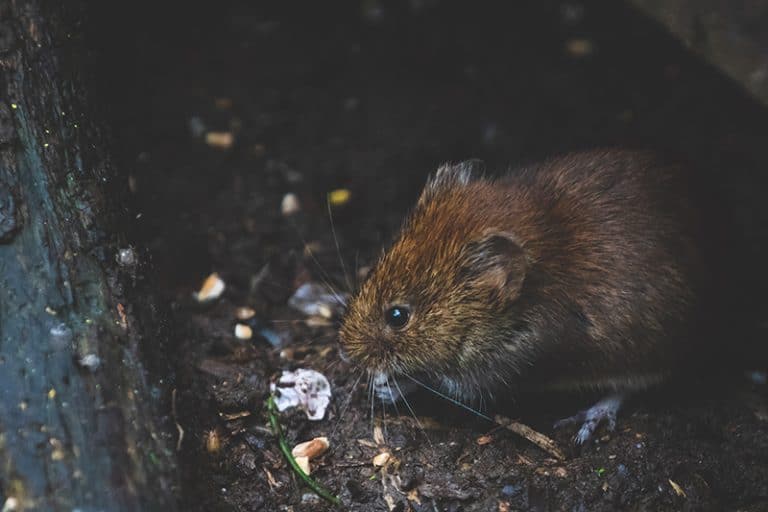
If you’ve ever heard something scuttling through your walls at 2 a.m., you know that unsettling feeling. You lie there wondering: Was that the house settling? The wind? Or something with a tail and whiskers making itself at home?
Here in Billings, Montana, mice and rats are common uninvited guests, especially as temperatures drop and they start looking for warm shelter. Your attic and walls offer everything they need: insulation for nesting, protection from predators, and easy access to food sources in your kitchen. At Best Pest Control Billings, we’ve helped countless homeowners and business owners deal with rodent problems, and we know that catching an infestation early makes all the difference.
The thing about rodents is they’re sneaky. They mostly come out at night, they’re excellent at hiding, and a small problem can become a big one fast. A single mouse can produce up to 60 offspring in a year. Rats aren’t far behind. So knowing the warning signs of mice or rats in your Billings attic and walls is your first line of defense.
Let’s walk through exactly what to look for.
Key Takeaways
- Scratching or scurrying sounds at night, especially in walls and attics, are often the first sign of mice or rats in your Billings home.
- Rodent droppings vary by species—mouse droppings are rice-sized (3-6 mm) while rat droppings are larger (12-18 mm)—and fresh droppings indicate active infestation.
- Gnaw marks on wiring, wood, and insulation pose serious fire hazards and signal an established rodent problem.
- Grease marks along baseboards and visible runways through attic insulation reveal heavy, repeated rodent traffic patterns.
- Unusual pet behavior, such as pawing at walls or intense focus on specific areas, often indicates rodents hiding nearby.
- Act quickly when you spot signs of mice or rats in your Billings attic and walls—a single mouse can produce up to 60 offspring per year, turning a small problem into a major infestation.
Scratching and Scurrying Sounds at Night
This is usually the first thing people notice. You’re lying in bed, the house is quiet, and then you hear it: a soft scratching or scurrying coming from somewhere above you or inside the walls.
Mice and rats are nocturnal, meaning they’re most active when you’re trying to sleep. Mice tend to make lighter, quicker sounds. Think soft scratching and rapid scurrying. Rats, being larger, produce more noticeable noises. You might hear gnawing, louder rustling through insulation, or even thumping as they move around your attic.
The sounds typically come from:
- Inside walls, especially near the kitchen or pantry
- Ceiling spaces and attics
- Under floors or in crawl spaces
- Around ductwork and utility openings
If you’re hearing these sounds consistently, particularly between dusk and dawn, that’s a strong indicator you’ve got company. And here’s the thing: where there’s one rodent, there are usually more. These critters rarely travel alone.
Droppings and Urine Stains
Finding rodent droppings is one of the clearest signs of an infestation. It’s not pleasant, but it’s something every Billings homeowner should know how to spot.
Mice leave behind small, dark droppings about the size of a grain of rice (roughly 3-6 mm). You’ll often find them scattered in multiple areas because mice tend to leave droppings wherever they travel. Rat droppings are noticeably larger, typically 12-18 mm, and pointed at the ends. Rats tend to be a bit tidier about it (if you can call it that), often leaving droppings in concentrated areas.
Fresh droppings are dark and moist. As they age, they dry out and turn grayish. If you’re finding fresh droppings, that means active rodents. Finding both old and new droppings suggests an ongoing problem.
Urine stains are harder to spot but equally telling. Rodents urinate frequently as they travel, leaving behind streaks or puddles that can soak into insulation, drywall, and wood. Over time, these create a persistent, unpleasant odor that’s hard to ignore.
How to Identify Rodent Droppings
Not sure what you’re looking at? Here’s a quick breakdown:
Mouse droppings:
- About 1/4 inch long
- Tapered at both ends
- Scattered widely (mice leave 50-75 droppings per day)
- Found along baseboards, in cabinets, near food sources
Rat droppings:
- About 1/2 to 3/4 inch long
- Blunt or pointed ends depending on species
- Often found in concentrated “bathroom” areas
- Common locations: attic corners, behind appliances, along walls
When checking for droppings, focus on areas where rodents are likely to travel: along baseboards, inside cabinets and drawers, near entry points, and especially in your attic around insulation. Always wear gloves and a mask when cleaning up rodent droppings, as they can carry diseases.
Gnaw Marks and Structural Damage
Rodents need to gnaw constantly. Their teeth never stop growing, so they chew on things to keep them worn down. Unfortunately, “things” can include your home’s wiring, wood framing, insulation, and just about anything else they can get their teeth on.
Mouse gnaw marks are small and precise. You might notice tiny scratches on baseboards, food packaging, or the edges of cabinets. Rat gnaw marks are more substantial. We’re talking visible damage to wood, larger holes chewed through drywall, and shredded insulation.
Here’s where it gets serious: rodents chewing on electrical wiring is a genuine fire hazard. The National Fire Protection Association estimates that rodent damage causes thousands of home fires each year. If you’re finding gnaw marks on cables or see exposed wiring in your attic, that’s not just a pest problem. It’s a safety issue.
Common places to find gnaw damage:
- Wooden beams and framing in attics
- Insulation (often shredded for nesting material)
- Electrical wires and cables
- PVC pipes
- Food containers and packaging
- Entry points around the exterior of your home
If you’re noticing structural damage alongside other signs on this list, you’re likely dealing with an established infestation that’s been going on for a while.
Nesting Materials and Hidden Nests
Rodents are resourceful nest builders. They’ll gather whatever soft materials they can find and create cozy little homes inside your walls and attic. Common nesting materials include:
- Shredded insulation
- Paper and cardboard
- Fabric scraps
- Dried plant material
- Anything soft they can tear apart
Mouse nests tend to be small, messy balls of material tucked into hidden corners. They prefer spots near heat sources and food supplies. Rats build larger, more elaborate nests, sometimes in burrows outside that connect to your home through gaps in the foundation.
In attics, you’ll often find nests burrowed into the insulation itself. The insulation provides warmth and camouflage, making it prime real estate for a rodent family. If you’re up in your attic and notice areas where the insulation looks disturbed, flattened, or hollowed out, that’s worth investigating.
The presence of nests confirms breeding activity. One nest might mean dozens of rodents in a matter of months. This is why acting quickly matters so much when you spot signs of mice or rats in your Billings home.
Grease Marks and Runways Along Walls
Rodents are creatures of habit. Once they establish a path between their nest and food sources, they’ll use it over and over again. This repeated travel leaves behind evidence you can see.
Both mice and rats have oily fur, and as they squeeze through tight spaces or run along walls, they leave greasy smudge marks behind. These marks, sometimes called “rub marks” or “sebum trails,” appear as dark, dirty streaks along:
- Baseboards and floor edges
- The bottom of walls, especially in corners
- Around holes and entry points
- Along beams in attics and basements
In dusty areas like attics, you might also spot actual runways. These are visible paths through the dust or insulation where rodents travel regularly. They can look like little highways cutting through your attic space.
The presence of grease marks and runways indicates heavy, repeated rodent traffic. If you’re seeing these, you’re not dealing with just one or two mice passing through. You’ve got an established population.
Unusual Pet Behavior
Sometimes your dog or cat knows something’s wrong before you do.
Pets have far superior hearing and smell compared to us. If your cat suddenly becomes obsessed with a particular corner of the house, pawing at the wall or staring intently at the baseboard, there’s probably a reason. Dogs might sniff persistently at certain spots or become alert and focused on areas where they normally show no interest.
We’ve heard from plenty of Billings homeowners who first suspected a rodent problem because their pet wouldn’t stop acting strangely around a specific wall or cabinet. Trust your pet’s instincts. They’re picking up on sounds and smells that are completely invisible to you.
If your usually calm cat is suddenly hunting mode near your pantry, or your dog keeps scratching at the base of a wall, it’s worth investigating further. Check for other signs like droppings or gnaw marks in that area.
Foul Odors in Your Home
A rodent infestation brings distinct smells that are hard to miss once they get bad enough.
The most common is a musky, ammonia-like odor from rodent urine. In enclosed spaces like walls and attics, this smell can build up and seep into your living areas. You might notice it most strongly in closets, corners, or rooms adjacent to suspected infestation sites.
There’s also the unpleasant possibility of smelling decay. Rodents don’t live forever, and when they die inside your walls or attic, the smell is unmistakable. A dead mouse might produce a faint odor for a few days. A dead rat can make an entire area of your home unbearable for weeks.
If you’re noticing persistent strange smells, especially combined with other signs like sounds or droppings, that’s a strong indicator of rodent activity. The smell alone is reason enough to call in professionals at Best Pest Control Billings to investigate.
What to Do If You Spot These Warning Signs
Found some of these signs in your home? Here’s what we recommend:
1. Don’t panic, but don’t wait either.
Rodent problems don’t fix themselves. They only get worse as the population grows. The sooner you act, the easier and less expensive the solution.
2. Do a thorough inspection.
Grab a flashlight and check your attic, basement, and crawl spaces. Look for droppings, gnaw marks, nesting materials, and entry points. Pay attention to gaps around pipes, vents, and where utilities enter your home. Mice can squeeze through a hole the size of a dime. Rats need about the size of a quarter.
3. Seal obvious entry points (temporarily).
Stuff steel wool into small gaps as a temporary measure. Rodents can’t chew through it easily. But understand this is just a stopgap until you can get a professional assessment.
4. Clean up safely.
If you find droppings, don’t sweep them. This can stir up dust and potential pathogens. Spray the area with a disinfectant, let it soak, then wipe up with paper towels while wearing gloves and a mask.
5. Call a professional.
DIY traps might catch a mouse or two, but they rarely solve an infestation. Rodents are smart, they learn to avoid traps, and they reproduce faster than most people realize. A professional can identify the full extent of the problem, locate all entry points, and carry out a comprehensive solution.
Rodent control involves more than just trapping. It requires understanding how they’re getting in, what’s attracting them, and how to keep them out for good. That’s where experience matters.
Conclusion
Recognizing the signs of mice or rats in your Billings attic and walls is the first step toward protecting your home, your health, and your peace of mind. Those scratching sounds, droppings in the attic, gnaw marks on wires, and musty odors aren’t things to ignore or put off dealing with.
Rodents cause real damage. They contaminate food, spread diseases, destroy insulation, and create fire hazards by chewing through electrical wiring. And they multiply quickly. What starts as a couple of mice can become dozens in just a few months.
If you’re seeing any of these warning signs, or you just have a gut feeling that something’s not right, reach out to Best Pest Control Billings. We serve all of Montana and specialize in eradicating rodent problems thoroughly and preventing them from coming back. As we like to say: if it creeps or crawls, contact Best Pest Control.
Don’t let a small problem become a big one. Give us a call today, and let’s get your home rodent-free.
Frequently Asked Questions
What are the top signs of mice or rats in your attic and walls?
The most common signs include scratching and scurrying sounds at night, rodent droppings, gnaw marks on wood or wiring, grease marks along baseboards, nesting materials in insulation, foul urine or decay odors, and unusual pet behavior focused on specific walls or corners.
How can I tell the difference between mouse and rat droppings?
Mouse droppings are small, about 1/4 inch long, tapered at both ends, and scattered widely. Rat droppings are larger, roughly 1/2 to 3/4 inch long, with blunt or pointed ends, and typically found in concentrated areas. Fresh droppings appear dark and moist.
Why do rodents chew on electrical wires in attics?
Rodents must gnaw constantly because their teeth never stop growing. They chew on wiring, wood, and insulation to keep teeth worn down. This creates a serious fire hazard—the National Fire Protection Association estimates rodent damage causes thousands of home fires annually.
How do mice and rats get into Billings homes during winter?
Mice can squeeze through openings as small as a dime, while rats need only a quarter-sized gap. They typically enter through gaps around pipes, vents, utility openings, foundation cracks, and poorly sealed doors or windows, seeking warmth and food as temperatures drop.
Can I get rid of a rodent infestation with DIY traps?
DIY traps may catch a few rodents but rarely solve infestations. Mice produce up to 60 offspring yearly, and rodents quickly learn to avoid traps. Professional pest control identifies all entry points, assesses the full extent of the problem, and implements comprehensive solutions.
Are rodents in walls a health risk for my family?
Yes, rodents pose significant health risks. Their droppings and urine can carry diseases and contaminate food sources. Airborne particles from dried droppings may trigger allergies or respiratory issues. Always wear gloves and a mask when cleaning rodent waste, and disinfect affected areas thoroughly.