
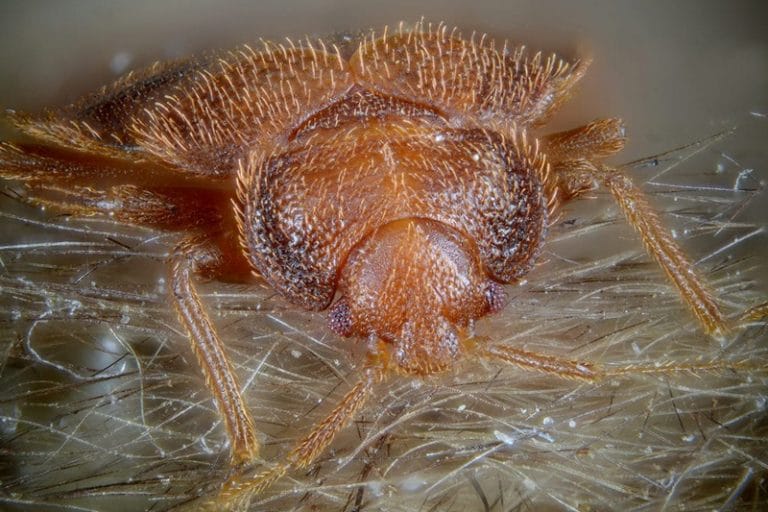
Finding bed bugs in your home or business is one of those moments that makes your skin crawl. You’re not alone if you’ve discovered these unwelcome guests in Billings. Bed bugs have become an ongoing problem throughout our area, especially in multi-unit housing, hotels, and anywhere people come and go frequently. The good news? There are effective ways to get rid of them. At Best Pest Control Billings, we’ve helped countless homeowners and business owners tackle bed bug infestations using different treatment methods. But with options like heat treatment, chemical treatment, and Cryonite, how do you know which approach is right for your situation? In this guide, we’ll break down each bed bug treatment option so you can make an well-informed choice and get back to sleeping soundly.
Key Takeaways
- Heat treatment kills all bed bug life stages in a single visit but offers no residual protection against re-infestation.
- Chemical bed bug treatment in Billings provides lasting protection for weeks and is often the most cost-effective option for multi-unit housing.
- Cryonite is a non-chemical, contact-only method ideal for sensitive environments like healthcare facilities or homes with young children.
- The best bed bug treatment depends on infestation severity, property type, re-introduction risk, and budget considerations.
- Combining multiple treatment methods—such as heat followed by chemical applications—typically delivers the most reliable results in Billings.
- Acting quickly at the first signs of bed bugs prevents infestations from spreading and reduces overall treatment costs.
Understanding the Bed Bug Problem in Billings
Bed bugs don’t discriminate. It doesn’t matter if your home is spotless or if you’ve never stayed in a questionable hotel. These pests are expert hitchhikers, catching rides on luggage, used furniture, clothing, and even through shared walls in apartments and condos.
Here in Billings, we see bed bug activity year-round, though infestations often spike during travel seasons when people bring them home unknowingly. Multi-unit housing is particularly vulnerable because bed bugs can move between units through electrical outlets, plumbing, and small cracks in walls.
So how do you know if you have bed bugs? Look for these telltale signs:
- Waking up with small, itchy bites (often in lines or clusters)
- Tiny blood stains on your sheets or pillowcases
- Dark fecal spots on mattresses, box springs, or nearby furniture
- Shed skins or tiny white eggs in seams and crevices
- A musty, sweet odor in heavily infested areas
Bed bugs hide during the day, tucking themselves into mattress seams, box springs, headboards, baseboards, and furniture. They come out at night to feed, which is why many people don’t realize they have a problem until the infestation has grown.
The key to successful bed bug treatment is acting quickly. The longer you wait, the more these pests multiply and spread throughout your property. That’s why understanding your treatment options matters.
Heat Treatment for Bed Bugs
How Heat Treatment Works
Heat treatment is exactly what it sounds like. We bring in specialized heating equipment and raise the temperature in your home or affected rooms to between 120°F and 140°F. At these temperatures, bed bugs can’t survive. Neither can their eggs.
The process involves strategically placing heaters and fans throughout the space while technicians monitor temperatures in different areas to ensure every hiding spot reaches lethal levels. Treatment typically takes several hours, and we need to maintain those high temperatures long enough to penetrate deep into furniture, walls, and other places where bed bugs hide.
Before heat treatment, you’ll need to prep your space. This means removing anything that could be damaged by high heat, like candles, certain medications, electronics with batteries, and heat-sensitive items. Your technician will provide a detailed prep list.
Pros and Cons of Heat Treatment
The advantages:
- Kills all life stages in a single treatment when done correctly. Eggs, nymphs, adults, they all die at these temperatures.
- No chemical residues left behind. This makes it a great choice for families with young children, pets, or anyone who prefers to avoid pesticides.
- Heat reaches into cracks, crevices, and deep inside furniture where bed bugs love to hide. It’s thorough.
- Results are immediate. There’s no waiting period for chemicals to work.
The drawbacks:
- Higher upfront cost compared to chemical treatments. You’re paying for specialized equipment and extended service time.
- No residual protection. Once your space cools down, there’s nothing left to kill any bed bugs that might be re-introduced. If someone brings in new bed bugs next week, you could have a new problem.
- Requires coordination, especially in apartments or multi-unit buildings where bed bugs may be coming from neighboring units.
- Some items must be removed or protected, which adds to your prep work.
Chemical Treatment for Bed Bugs
Types of Chemical Treatments
Chemical treatment remains one of the most common approaches to bed bug control in Billings. Licensed pest control professionals use EPA-registered insecticides that have been tested and approved for indoor use.
There are several types of chemical treatments we might use:
- Residual sprays: These include pyrethroids, neonicotinoids, and combination products that stay active on surfaces for weeks or months. When bed bugs cross treated areas, they pick up the product and die.
- Dusts: Products like silica gel and diatomaceous earth are applied in wall voids, electrical outlets, and other protected areas. These work by damaging the bed bug’s outer coating, causing dehydration.
- Aerosols and foams: These are useful for treating cracks, seams, and furniture where bed bugs hide. They allow us to get product into tight spaces.
A thorough chemical treatment usually involves applying multiple products to different areas based on where bed bugs are hiding and traveling.
Pros and Cons of Chemical Treatment
The advantages:
- Residual protection is the big one here. After treatment, the products continue working for weeks, killing bugs that emerge from hiding or are newly introduced.
- Lower per-visit cost than heat treatment in most cases.
- Widely available from pest control companies throughout Billings.
- Effective when applied correctly by trained professionals who understand bed bug behavior.
The drawbacks:
- Usually requires multiple visits. Because chemicals may not kill eggs immediately, follow-up treatments are often necessary to catch newly hatched nymphs.
- Some bed bug populations have developed resistance to certain chemicals, which is why professional application with the right product mix matters.
- Occupants and pets may need to leave during application and for a period afterward, depending on the products used.
- There can be some odor, and label restrictions must be followed carefully.
Cryonite Treatment for Bed Bugs
Cryonite offers a different approach altogether. Instead of heat or chemicals, this method uses rapidly applied CO2 “snow” to freeze bed bugs on contact. The equipment converts liquid carbon dioxide into dry ice particles that are sprayed directly onto bed bugs and their hiding spots.
At Best Pest Control Billings, we include Cryonite as one of our organic elimination methods for bed bugs. It’s particularly useful in situations where heat or chemicals aren’t practical.
Pros and Cons of Cryonite Treatment
The advantages:
- Completely non-chemical with no residue left behind. This makes it ideal for sensitive environments like hospitals, daycare centers, or homes where chemical exposure is a concern.
- Safe to use on electronics, upholstery, and items that can’t tolerate high heat. You don’t have to worry about damaging laptops, TVs, or delicate fabrics.
- Kills bed bugs instantly on contact.
- No odor and no waiting period before the space can be used.
The drawbacks:
- Contact-only treatment. If the technician doesn’t directly hit a bed bug with the spray, it survives. There’s no residual effect.
- Labor-intensive and highly dependent on technician skill. Every crack, seam, and hiding spot needs to be treated individually.
- Rarely used as a standalone solution. Because it lacks residual protection and requires direct contact, Cryonite works best as part of an integrated treatment plan.
- Cost is often similar to or higher than chemical treatment, without the lasting protection.
Comparing Costs and Effectiveness
Let’s talk money and results, because both matter when you’re dealing with bed bugs.
Heat treatment typically has the highest upfront cost. You’re paying for specialized equipment, extended service time, and the expertise required to do it safely. But, when the infestation is well-contained and your space is properly prepared, heat treatment can eliminate bed bugs in a single visit. That one-and-done potential can actually save money compared to multiple chemical treatments.
Chemical treatment usually costs less per visit, making it attractive for budget-conscious homeowners. The trade-off is that you’ll likely need several treatments spaced a couple weeks apart. Factor in those follow-up visits when comparing total costs. On the plus side, the residual protection means ongoing defense against any bugs that weren’t killed initially or that find their way in later.
Cryonite treatment often falls somewhere between chemical and heat treatment in terms of price. Because it’s labor-intensive and typically needs to be combined with other methods, the total cost can add up. It’s usually not the most cost-effective choice as a primary treatment, but it adds real value in specific situations.
As for effectiveness, all three methods work when applied correctly. The difference comes down to your specific situation:
- Heat excels at thorough, one-time knockdown
- Chemicals provide lasting protection and work well for ongoing management
- Cryonite offers a targeted, chemical-free option for sensitive areas
The most reliable results in Billings typically come from combining methods based on the property and infestation level.
How to Choose the Right Treatment for Your Situation
Choosing a bed bug treatment isn’t one-size-fits-all. Here’s what to consider:
How bad is the infestation?
A few bugs in one room is different from a widespread problem throughout your home. Heavy infestations often benefit from heat treatment as a first strike, followed by chemical applications for ongoing protection.
What type of property do you have?
Apartments and multi-unit buildings present unique challenges. Bed bugs can keep coming from neighboring units, which means residual chemical protection becomes more important. A single-family home with a contained infestation might be a perfect candidate for heat treatment alone.
Who lives there?
Families with young children, people with chemical sensitivities, or businesses like healthcare facilities may prefer non-chemical options. Heat and Cryonite both fit the bill.
What’s the re-introduction risk?
Do you travel frequently? Run a rental property or hotel? Live in an apartment building? Higher risk of bringing in new bed bugs means you’ll want residual protection and ongoing monitoring.
What can you invest?
Be honest about your budget. Sometimes the cheapest option per visit isn’t the cheapest overall. But if cash flow is tight, a chemical treatment plan with follow-ups might be more manageable than a large upfront heat treatment cost.
The best approach is usually to start with a professional inspection. A trained technician can assess the extent of your infestation, identify where bed bugs are hiding, and recommend the treatment or combination of treatments that makes the most sense for your property.
Conclusion
Bed bugs are stressful, but they’re also completely treatable. Heat offers rapid elimination without chemicals. Chemical treatments provide cost-effective, long-lasting protection. Cryonite gives you a targeted non-chemical option for sensitive situations. Often, the best results come from an integrated approach that uses multiple methods tailored to your specific situation.
At Best Pest Control Billings, we start every bed bug case with a thorough inspection of your property. Our experts will assess the infestation, discuss your concerns and priorities, and recommend the treatment approach that fits your needs. Whether that’s heat, chemical, Cryonite, or a combination, we’ll explain exactly what to expect and get you back to pest-free living.
If you’re waking up with bites, spotting signs of bed bugs, or just want peace of mind, don’t wait for the problem to get worse. Contact Best Pest Control Billings today and let’s tackle this together.
Frequently Asked Questions
What is the most effective bed bug treatment in Billings?
The most effective bed bug treatment depends on your situation. Heat treatment offers rapid, one-time elimination. Chemical treatment provides long-lasting residual protection. Cryonite works best for sensitive environments. Many Billings pest professionals recommend an integrated approach combining multiple methods for the most reliable results.
How does heat treatment kill bed bugs?
Heat treatment raises room temperatures to 120°F–140°F using specialized equipment. At these temperatures, bed bugs and their eggs cannot survive. Technicians monitor temperatures throughout the space to ensure heat penetrates mattresses, furniture, walls, and all hiding spots, killing every life stage in a single treatment.
Is Cryonite treatment safe for electronics and sensitive items?
Yes, Cryonite is completely safe for electronics, upholstery, and heat-sensitive items. It uses CO2 dry ice particles to freeze bed bugs on contact without leaving chemical residue. This makes it ideal for treating laptops, TVs, and delicate fabrics that cannot tolerate high heat or chemical exposure.
How many treatments does it take to get rid of bed bugs?
Heat treatment can eliminate bed bugs in a single visit when done correctly. Chemical treatment typically requires 2–3 visits spaced a few weeks apart to catch newly hatched nymphs. The number of treatments depends on infestation severity, property type, and which method you choose.
Can bed bugs come back after professional treatment?
Yes, re-infestation is possible, especially in apartments or if you travel frequently. Heat and Cryonite treatments leave no residual protection, so new bed bugs introduced later can establish themselves. Chemical treatments provide ongoing defense for weeks, helping prevent re-infestation from neighboring units or travel.
What are the signs of a bed bug infestation?
Common signs include waking up with small, itchy bites in lines or clusters, tiny blood stains on sheets, dark fecal spots on mattresses and furniture, shed skins or white eggs in seams, and a musty sweet odor in heavily infested areas. Bed bugs hide during the day and feed at night.