
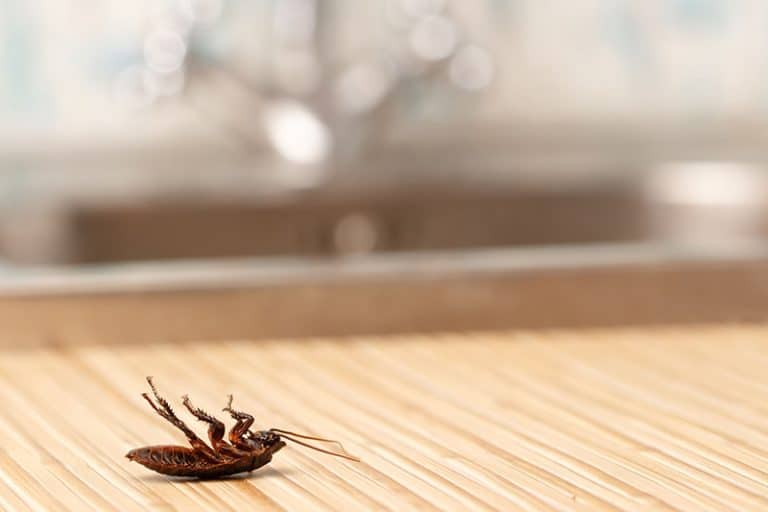
You flip on the kitchen light at 2 a.m. for a glass of water, and there it is: a cockroach scurrying across your counter before disappearing behind the toaster. If this scene sounds familiar, you’re not alone. Cockroaches are one of the most common pest complaints we hear about at Best Pest Control Billings, and there’s a reason these unwelcome guests seem particularly drawn to Montana kitchens.
Cockroaches aren’t just gross to look at. They can contaminate food, trigger allergies, and spread bacteria throughout your home. The good news? Once you understand what’s attracting them, you can take steps to kick them out for good. Let’s break down why cockroaches love Billings kitchens, how to spot an infestation, and what actually works to get rid of them.
Key Takeaways
- Cockroaches love Billings kitchens because they provide food, water, and warmth—especially during harsh Montana winters.
- German cockroaches are the most common indoor species in Billings homes and reproduce rapidly, often requiring professional treatment.
- Signs of a cockroach infestation include droppings that look like black pepper, egg casings, shed skins, and a musty odor.
- DIY methods like bait stations, gel baits, and boric acid can help eliminate small cockroach populations when applied consistently.
- Prevent future infestations by fixing leaky pipes, storing food in sealed containers, and sealing cracks around pipes and doors.
- Call a professional exterminator if DIY treatments fail or you notice signs of a large, established cockroach infestation.
What Attracts Cockroaches to Billings Kitchens
Your kitchen isn’t just the heart of your home. To a cockroach, it’s basically a five-star resort. These pests have simple needs: food, water, and a warm place to hide. Unfortunately, most kitchens deliver all three without much effort.
Food Sources and Crumbs
Cockroaches aren’t picky eaters. Crumbs under the toaster, grease splatters on the stovetop, pet food left out overnight, even that bit of dried pasta sauce on a dish in the sink. It’s all fair game. They’ll feed on decaying organic matter, cardboard, and just about anything with nutritional value.
The tricky part is that cockroaches can survive on incredibly small amounts of food. A few scattered crumbs or a bit of grease residue behind your stove can sustain them for weeks. That’s why even relatively clean kitchens can still attract these pests.
Moisture and Water Access
Water is actually more critical to cockroach survival than food. They can go weeks without eating, but only about a week without water. This makes your kitchen an ideal habitat.
Leaky pipes under the sink, condensation around the dishwasher, standing water in drain pans, and even damp sponges left out overnight all provide the moisture cockroaches need. High humidity levels in poorly ventilated kitchens add to the appeal.
Warmth and Shelter During Montana Winters
Here’s where living in Billings becomes particularly relevant. Montana winters are brutal, and cockroaches hate the cold just as much as you do. When temperatures drop, these pests actively seek warm indoor spaces. Your kitchen, with its heat-generating appliances and cozy hiding spots, is incredibly inviting.
Cockroaches are masters at squeezing through tiny openings. We’re talking gaps as small as a quarter-inch. They’ll slip through cracks around pipes, gaps under doors, and openings around windows. Once inside, they set up shop behind refrigerators, inside cabinets, under sinks, and anywhere else that offers warmth and concealment.
Common Cockroach Species Found in Billings Homes
Not all cockroaches are created equal, and knowing which species you’re dealing with can help you fight back more effectively.
The German cockroach is by far the most common indoor pest in Billings homes. These light brown roaches are relatively small (about half an inch long) and reproduce at an alarming rate. A single female can produce up to 400 offspring in her lifetime. German cockroaches prefer warm, humid environments and are most often found in kitchens and bathrooms.
The American cockroach is the big one that makes most people scream. These reddish-brown roaches can grow up to two inches long and are sometimes called “water bugs” or “palmetto bugs.” They’re less common indoors than German cockroaches but will absolutely move inside during cold Montana winters. They prefer basements, crawl spaces, and areas near drains.
Oriental cockroaches are shiny, dark brown to black, and often found in cool, damp locations like basements and floor drains. They’re sometimes called “water bugs” because of their preference for moist environments.
Regardless of the species, the treatment approach is similar. But if you’re seeing the smaller German cockroaches in your kitchen, you likely have a more established infestation that may require professional intervention.
Signs of a Cockroach Infestation
Cockroaches are nocturnal and excellent at hiding, so you might have an infestation brewing without realizing it. Here’s what to look for:
- Live or dead roaches: The most obvious sign. If you’re seeing cockroaches during the day, you likely have a significant population. They only venture out when hiding spots become overcrowded.
- Droppings: Cockroach droppings look like black pepper or coffee grounds. You’ll find them in cabinets, along baseboards, behind appliances, and anywhere roaches travel frequently.
- Egg casings (oothecae): These are small, dark brown, pill-shaped capsules that contain multiple eggs. Finding them means roaches are actively breeding in your home.
- Shed skins: Cockroaches molt multiple times as they grow. Finding these translucent, cockroach-shaped skins indicates an active infestation.
- Musty or oily odor: A significant cockroach population produces a distinctive, unpleasant smell that’s hard to describe but unmistakable once you’ve experienced it.
If you’re noticing any of these signs in your Billings kitchen, it’s time to take action. Cockroach populations grow quickly, and the longer you wait, the harder they are to eliminate.
Effective DIY Methods to Eliminate Cockroaches
For minor infestations or as a first line of defense, several DIY methods can help reduce cockroach populations. Just know that store-bought sprays alone rarely solve the problem. Cockroaches are good at hiding, reproduce quickly, and can turn into a full-blown infestation even if you’re using over-the-counter products.
Bait Stations and Gel Baits
Bait stations and gel baits are among the most effective DIY options because they target the entire colony, not just the roaches you see. Cockroaches eat the bait, return to their hiding spots, and die. Other roaches then feed on the dead roaches or their droppings and are also poisoned. It’s grim but effective.
Place bait stations in areas where you’ve seen roach activity: under sinks, behind the refrigerator, inside cabinets, and along baseboards. Gel baits can be applied in cracks and crevices where roaches travel. The key is patience. It can take a few weeks to see significant results.
Boric Acid and Diatomaceous Earth
Boric acid is a tried-and-true cockroach killer. It damages their exoskeleton and digestive system when they walk through it or groom themselves. Apply a thin layer in areas where roaches travel, like behind appliances and inside wall voids. Too much, and roaches will simply avoid it.
A word of caution: boric acid can be harmful to pets and children if ingested in large amounts. Keep applications in areas they can’t access.
Diatomaceous earth (food-grade) is a more natural option. This fine powder damages the cockroach’s waxy outer coating, causing them to dehydrate and die. It’s non-toxic to humans and pets but can take longer to work than chemical options. Apply it in cracks, crevices, and behind appliances where roaches hide.
When to Call a Professional Exterminator
DIY methods work well for small infestations caught early. But cockroaches are survivors. They’ve been around for over 300 million years for a reason.
It’s time to call in the professionals when:
- You’re seeing roaches regularly even though DIY treatments
- The infestation has spread beyond the kitchen
- You’re finding signs of a large population (heavy droppings, strong odor, multiple egg casings)
- You’ve tried baits and powders for several weeks without improvement
- You have a German cockroach infestation, which almost always requires professional treatment due to their rapid reproduction rate
Professional exterminators bring more than just stronger chemicals. They can identify entry points you’ve missed, determine the species and size of the infestation, and develop a targeted treatment plan. At Best Pest Control Billings, we tailor our approach to your specific situation rather than using a one-size-fits-all method.
We also offer eco-friendly solutions for families with kids and pets. If you want effective pest control without standard pesticides, there are options that work. The key is working with a team that understands the unique challenges of pest control in Montana’s climate.
Preventing Future Cockroach Infestations
Getting rid of cockroaches is only half the battle. Keeping them from coming back requires ongoing effort. Here’s how to make your Billings kitchen less appealing:
Maintain strict cleanliness
- Wipe down counters and stovetops daily
- Sweep or vacuum floors regularly, especially in corners and under appliances
- Don’t leave dirty dishes in the sink overnight
- Clean grease from behind and under the stove
- Take out trash regularly and use bins with tight-fitting lids
Eliminate water sources
- Fix leaky pipes and faucets promptly
- Don’t let water sit in sinks or on counters
- Wring out sponges and hang them to dry
- Empty and dry pet water bowls at night
- Address any condensation issues around appliances
Store food properly
- Keep dry goods in sealed containers (not just twist-tied bags)
- Store pet food in airtight containers
- Refrigerate produce and other open foods
- Clean up pet food bowls after feeding
Seal entry points
- Caulk cracks and gaps around pipes, windows, and doors
- Install or repair door sweeps
- Check where utility lines enter your home and seal gaps
- Repair damaged weatherstripping
Reduce clutter
- Cockroaches love cardboard boxes and paper bags. Eliminate them.
- Keep storage areas organized so hiding spots are minimized
- Don’t let newspapers or recyclables pile up
Setting up an ongoing treatment plan can also help. Regular preventive treatments create a barrier that keeps cockroaches and other pests from establishing themselves in the first place.
Conclusion
Cockroaches are attracted to Billings kitchens for the same reasons you love yours: warmth, food, and comfort. But you don’t have to share your space with these unwanted guests. By understanding what draws them in, recognizing the signs of an infestation early, and taking decisive action, you can reclaim your kitchen.
Start with good sanitation practices and DIY methods for minor problems. But if the infestation persists or you’re dealing with a large population, don’t wait for it to get worse. Cockroaches reproduce fast, and a small problem today can become a major headache within weeks.
Whether it’s cockroaches, spiders, ants, or any other creepy crawly, Best Pest Control Billings is ready to help. We serve all of Montana and offer both traditional and eco-friendly treatment options to fit your family’s needs. If you’re dealing with a cockroach problem or want to prevent one before it starts, give us a call or contact us today. There’s no reason to live with pests when effective solutions are just a phone call away.
Frequently Asked Questions
Why are cockroaches attracted to kitchens in Billings, Montana?
Cockroaches love Billings kitchens because they provide food, water, and warmth—especially during harsh Montana winters. Even small crumbs, grease residue, leaky pipes, and heat from appliances create an ideal habitat for these pests to thrive indoors.
What are the signs of a cockroach infestation in your home?
Common signs include live or dead roaches, black pepper-like droppings, brown egg casings, shed skins, and a musty or oily odor. Seeing cockroaches during daylight hours typically indicates a significant infestation requiring immediate attention.
How do I get rid of cockroaches in my kitchen?
Start with bait stations and gel baits, which target entire colonies. Apply boric acid or diatomaceous earth in cracks and behind appliances. Eliminate food crumbs, fix leaky pipes, and store food in sealed containers. For persistent infestations, professional extermination is recommended.
Are cockroaches dangerous to your health?
Yes, cockroaches pose health risks by contaminating food with bacteria like Salmonella and E. coli. Their droppings, shed skins, and saliva can trigger allergies and asthma, especially in children. Prompt elimination is important to protect your family’s health.
What is the most common cockroach species found in Billings homes?
The German cockroach is the most common indoor pest in Billings. These small, light brown roaches reproduce rapidly—a single female can produce up to 400 offspring. They prefer warm, humid areas like kitchens and bathrooms, making professional treatment often necessary.
When should I call a professional exterminator for cockroaches?
Contact a professional if DIY methods fail after several weeks, the infestation spreads beyond the kitchen, you notice heavy droppings or strong odors, or you’re dealing with German cockroaches. Professionals can identify entry points and create targeted treatment plans.